
Which Water Softener Protects Appliances Best?

Last Updated: November 21, 2026
Quick Summary
The best water softener for appliance protection is the one sized to your measured water hardness and household size. Hardness minerals calcium and magnesium cause scale that narrows pipes and insulates heating elements. A salt-based ion-exchange softener removes these minerals, while a salt-free conditioner only changes how they bond to surfaces.
Measure your water hardness before buying, using a test rather than a municipal average.
Size capacity by multiplying hardness in grains per gallon by daily gallons used.
Salt-based softeners remove hardness minerals; salt-free conditioners do not reduce hardness.
Water heaters usually benefit most, since heating drives mineral precipitation and scale.
Compare usable capacity at a realistic salt setting, not just the headline grain rating.
Table of Contents
Why Hard Water Damages Appliances and Fixtures
If you have ever cleaned a kettle that looked crusted white, or noticed a shower head clogged with chalky residue, you have seen hard water at work. The right water softener for appliance protection is the one that matches your water hardness and household size. Hardness comes from dissolved calcium and magnesium, and as water heats or evaporates, those minerals come out of solution and cling to every surface they touch.
That mineral layer does real damage over time. It narrows pipes, insulates heating elements so they run hotter and longer, and coats the valves and seals inside dishwashers and washing machines. A common mistake is treating each symptom separately, buying a new faucet or descaling the kettle, while the source keeps building up.
Watch out: scale on the outside of a fixture is usually a sign the inside has been affected too, so a surface cleaning rarely solves the problem.
How Water Softeners Work and What They Remove
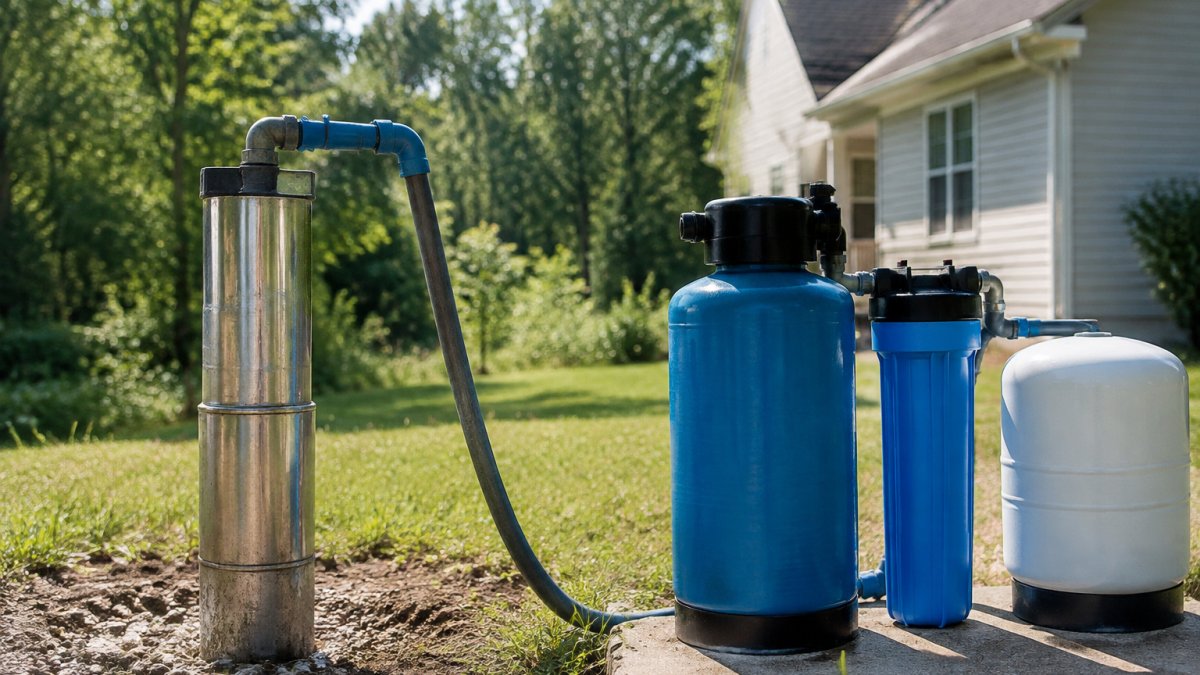
A water softener is a treatment system that removes hardness minerals before water reaches your fixtures and appliances. Most residential units use ion exchange: hardness ions are captured by resin beads and swapped for sodium or potassium ions. The resin is periodically recharged in a regeneration cycle that flushes the captured minerals to drain, using salt stored in a brine tank.
Softeners target calcium and magnesium specifically. They do not remove most other contaminants, such as chlorine taste, sediment, or many dissolved chemicals, so a softener is a hardness solution rather than a general purification system. Ask any provider for a hardness test before you buy, because the result tells you how much treatment your home actually needs.
Salt-Based Softeners Versus Salt-Free Conditioners
Salt-based ion-exchange softeners are the established option for true hardness reduction. They remove the minerals, so scale has nothing to form from. Their main ongoing costs are salt, the water used during regeneration, and periodic resin and valve maintenance.
Salt-free conditioners take a different approach. They alter the crystal structure of hardness minerals so they are less likely to bond to surfaces, but they do not remove hardness, so water still tests hard. If your priority is protecting water heaters and appliances from scale, compare how each type is expected to perform against your measured hardness before deciding.
Water Softener Capacity for Household Size
Capacity is rated in grains: the total hardness a unit can remove before it must regenerate. Sizing for appliance protection is a three-input calculation, hardness in grains per gallon (gpg), daily household demand in gallons, and peak flow in gallons per minute, and getting any one of them wrong undermines the others.
Start with a measured hardness number, not a municipal average. A unit sized below a household's measured hardness will regenerate more often and use more salt. Multiply hardness by daily gallons to get daily grain removal. For example, a household using 180 gallons per day at 15 gpg removes about 2,700 grains per day, or roughly 18,900 grains per week. A unit rated at 32,000 grains with a realistic usable capacity (often 70-80% of the nominal rating after reserve) covers that week with margin; a 24,000-grain unit would regenerate every few days.
Peak flow matters separately from capacity. A unit that is correctly sized on grains but undersized on flow will show pressure drop when a washing machine fills while a shower runs. Check the unit's service flow rating against the fixture demand you actually expect, a typical home draws 8-12 gpm at peak, and restrictive resin tanks can bottleneck that.
Undersizing has visible costs: frequent regeneration, higher salt and water use, and hardness slipping through between cycles. A sizing calculation based on your own test result and fixture count helps you land in the middle.
Watch out: a unit rated at a high grain capacity only delivers that capacity at the maximum salt dose per regeneration, so compare usable capacity at a realistic salt setting rather than the headline number.
Hard Water Scale Buildup in Appliances: What to Look For
Scale commonly shows up in places such as water heater drain valves, kettle bases, shower heads, and faucet aerators. Thin white crusting, reduced water pressure, and appliances that take longer to heat are common early signs.

Visual checks are useful but incomplete. For guidance on preventing scale and checking water quality beyond hardness, see how to prevent mineral buildup and detect forever chemicals. Scale can build up inside pipes and heating surfaces where you cannot see it, so a pattern of symptoms matters more than one stain. If several appliances show signs at once, hardness is the likely cause, and a water test is the logical next step.
Water Softener for Scale Prevention: Which Appliances Benefit Most
Water heaters usually benefit most. Heating drives mineral precipitation, so scale is heaviest where water is hottest. Dishwashers, washing machines, and tankless units are also sensitive, since their valves and heat exchangers have narrow passages that scale can restrict.
Plumbing fixtures such as shower heads and faucets benefit as well, mainly through cleaner appearance and steadier flow. Appliances with heating elements, like coffee makers and kettles, are affected too. Check your appliance manufacturer's guidance on water hardness, since many specify limits and some require a softener to keep the warranty valid.
Testing Hardness and Verifying Reduction
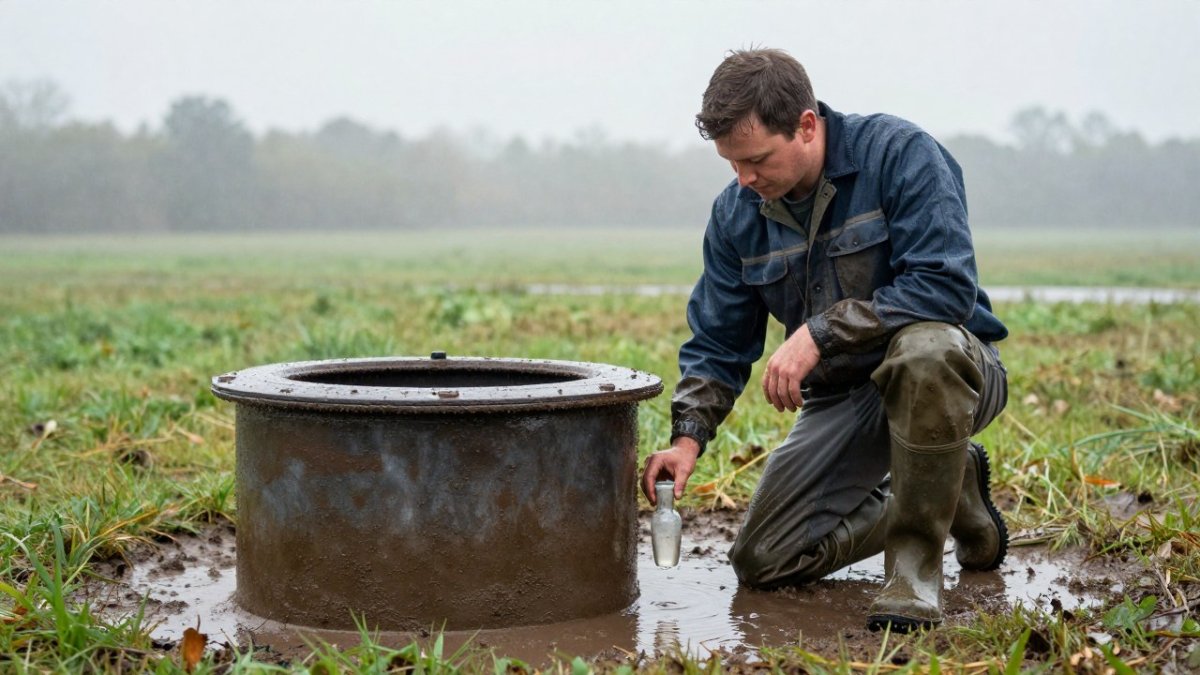
Test before and after installation. A basic hardness test measures grains per gallon or parts per million, and comparing the reading on the raw water with the reading on the treated water confirms the softener is working. Test at a tap that is downstream of the softener, and check it again after the system has been running for a while.
Test strips are a quick check, while a lab or water professional gives more precise numbers. If the treated water still tests hard, the unit may be undersized, out of salt, or due for service. Keep a record of readings, since a gradual rise in hardness often signals a problem before scale becomes visible.
Ownership Costs: Installation, Salt, Water, and Maintenance
Most buying guides list cost categories without putting numbers against them. A transparent model is more useful: build a five-year and ten-year estimate from your own inputs, then compare it against plausible appliance outcomes. The structure below is what matters; use quotes and local rates for actual figures.
Up-front cost. Equipment price depends on system size, configuration, and installation requirements; request a written quote for current pricing. Installation adds plumbing labor, a drain connection, and sometimes an electrical outlet; a pre-plumbed loop lowers the labor, while a retrofit with no loop raises it. Ask for a written quote that separates equipment from labor so you can compare bids.
Salt. Salt use scales with hardness and water use. Salt use scales with hardness and water use, and demand-initiated regeneration can reduce it compared with timer-based regeneration. Track bags per month for the first quarter; that number is your real recurring cost.
Regeneration water. Each regeneration uses a set volume of water, and frequency depends on sizing. An undersized unit regenerates more often and quietly raises the water bill. Efficient demand-initiated controls reduce both salt and water compared with timer-based regeneration.
Maintenance. Budget for resin cleaner, periodic valve service, and eventual resin replacement over a long horizon. These are infrequent but not zero.
The offset side. Weigh the ownership total against what hard water plausibly costs you: water heater efficiency loss from scale, premature failure of a dishwasher or washing machine, and fixture replacement. Do not assume softening eliminates these costs; it reduces scale formation, and the savings depend on your starting hardness and appliance age.
The article lays out the ownership cost categories that a household should budget for.
Cost category | What drives it | What to do |
Up-front cost | System size, configuration, installation needs | Request a written quote |
Installation labor | Pre-plumbed loop or retrofit | Compare bids separately from equipment |
Salt | Hardness and water use | Track bags per month for a quarter |
Regeneration water | Frequency, set by sizing | Efficient controls reduce water use |
Maintenance | Resin cleaner, valve service, eventual resin replacement | Budget over a long horizon |
Offsetting savings | Scale-related efficiency loss and appliance failure | Savings depend on starting hardness and appliance age |
Booking Your Free Water Test to Choose the Right System
The fastest way to choose the best water softener for appliance protection is to start with your own water. At Bevilacqua Pure, we offer a free in-home water test and a plain-language explanation of what the results mean, with no pressure to buy. We will look at your water, your household needs, and the appliances you want to protect, then recommend a treatment solution suited to your home.
book your free water test to get a clear recommendation for your home. If you want to read more about scale prevention and water quality beyond hardness, see the guide on how whole-house filtration handles contaminants beyond hardness.
Frequently Asked Questions
Do water softeners help prevent scale buildup in appliances?
Yes. Salt-based water softeners remove calcium and magnesium, the minerals that form scale inside water heaters, dishwashers, washing machines, and coffee makers. Less scale means heating elements run more efficiently and appliances are less likely to fail early. Scale prevention depends on the softener being correctly sized for your household and water hardness, and on regular salt refills. Results vary by appliance and water conditions, so a water test before purchase helps set realistic expectations.
Which whole-house water softener is best for protecting appliances?
The best choice depends on your water hardness, household size, and whether you have a well or municipal supply. Salt-based softeners with enough grain capacity for your daily water use give the most reliable appliance protection, because they actually remove hardness minerals. Salt-free conditioners can reduce scale formation but do not soften water in the same way. A free in-home water test from Bevilacqua Pure can show your hardness level so you can compare options against your actual conditions. Pricing depends on system size, installation requirements, and your home, so contact us for a quote.
How do I choose the right water softener capacity for my home?
Capacity is measured in grains, and it should match your household size and daily water use. A common starting point is roughly 75 gallons of water per person per day, multiplied by your water hardness in grains per gallon, then multiplied by the days between regenerations you want. Undersized units regenerate too often and waste salt, while oversized units can let hardness leak through. Bring your water test results to a consultation so the sizing reflects your actual hardness and usage.
Can a water softener protect a water heater and washing machine?
A properly sized salt-based water softener can reduce scale in a water heater and washing machine, which helps heating elements and internal components last longer. Many appliance manufacturers recommend softened or low-hardness water for their warranties, so check your owner's manual. Protection is not guaranteed, because scale already present will not disappear, and results depend on hardness level, system capacity, and maintenance. Flushing your water heater periodically still helps remove sediment.
Comments