
PFAS Groundwater Remediation: 7 Options Compared

Last Updated: November 11, 2026
Quick Summary
PFAS groundwater remediation relies on either removing forever chemicals from water with carbon, ion exchange or reverse osmosis, or attempting to destroy them outright. Removal methods are most common in residential settings, while destructive technologies remain harder to apply reliably. The right choice depends on the compounds present, their concentrations, and site conditions.
PFAS compounds do not break down naturally and can migrate through soil and aquifers over long distances.
Granular activated carbon needs replacement or regeneration once saturated, and longer-chain PFAS bind more strongly.
Reverse osmosis produces high-purity water but generates a concentrated reject stream requiring regular membrane maintenance.
Destructive methods must be verified by analyzing transformation products, since intermediates can stay as persistent as the parent compound.
Compare treatment options by lifetime cost per thousand gallons treated, not by the price of replacement media.
Is PFAS in your water?
Bevilacqua Pure tests your water and explains the results in plain language.
Table of Contents
Why PFAS Groundwater Contamination Is Hard to Clean Up
PFAS groundwater remediation is difficult because these compounds do not break down in the environment the way most pollutants do. Per- and polyfluoroalkyl substances are often called "forever chemicals" for that reason, and they can migrate through soil and aquifers over long distances. Homeowners in Worcester County and MetroWest often want a clear picture of what their water contains before deciding on a treatment path, and that starts with understanding why the problem is so persistent.
The core challenge is chemistry. Many PFAS compounds are water-soluble and resist the natural degradation processes that break down other contaminants, so they stay in groundwater and spread along a plume. The EPA guidance on PFAS in drinking water describes how these compounds accumulate and persist, which is why remediation usually focuses on capturing or destroying them rather than waiting for natural attenuation.
Cleanup is further complicated by the variety of compounds involved. Short-chain and long-chain PFAS behave differently in treatment systems, and a technology that works well on one may perform poorly on another. Site conditions such as groundwater flow, soil composition and the depth of the plume all shape which approach is practical, which is why a single answer rarely fits every property.
PFAS Groundwater Remediation Options: How Each Technology Works
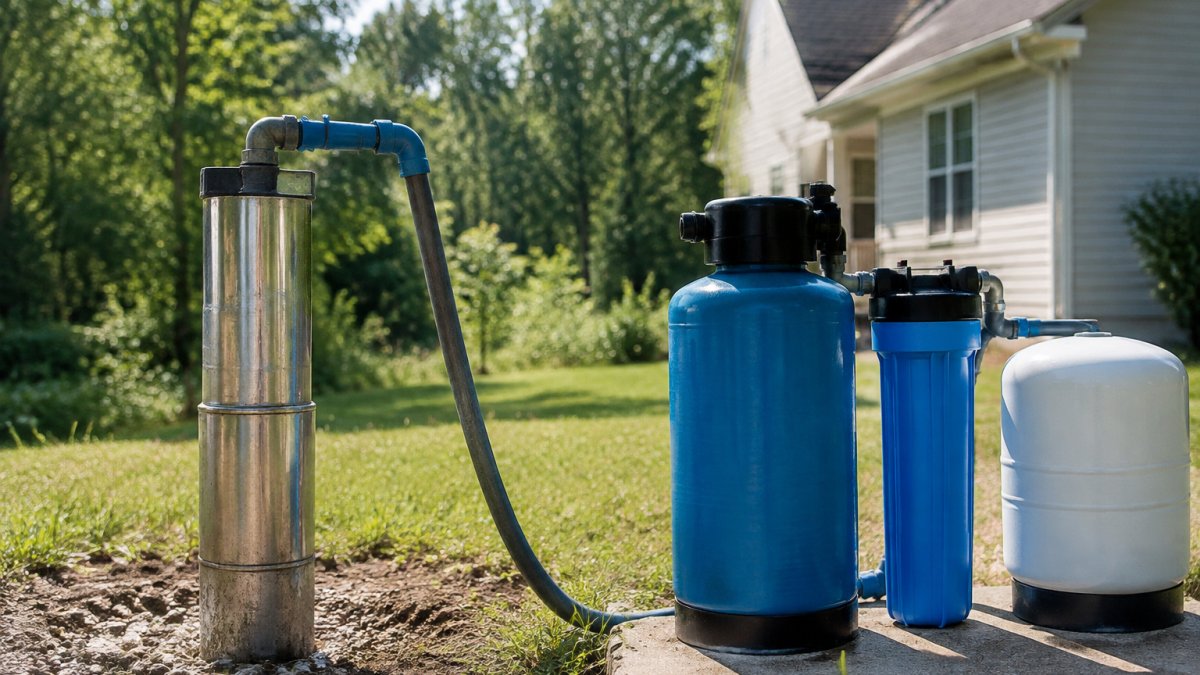
Remediation technologies fall into two broad groups: those that remove PFAS from water so it can be captured, and those that destroy the compounds outright. Removal methods are the most common in residential and small-site settings because they are established and well understood.

Granular Activated Carbon (GAC) Filtration
Granular activated carbon adsorbs PFAS molecules onto a porous media as water passes through. It is widely used because the equipment is straightforward, but carbon becomes saturated over time and must be replaced or regenerated. Longer-chain PFAS tend to bind more strongly than shorter-chain compounds, which affects how often the media needs changing.
Ion Exchange Resins
Ion exchange resins swap PFAS ions for less harmful ions on charged resin beads. Specialized resins can capture a broad range of compounds, including some short-chain PFAS that carbon handles less efficiently. Resin systems require careful monitoring and a plan for handling spent material.
Reverse Osmosis Membranes
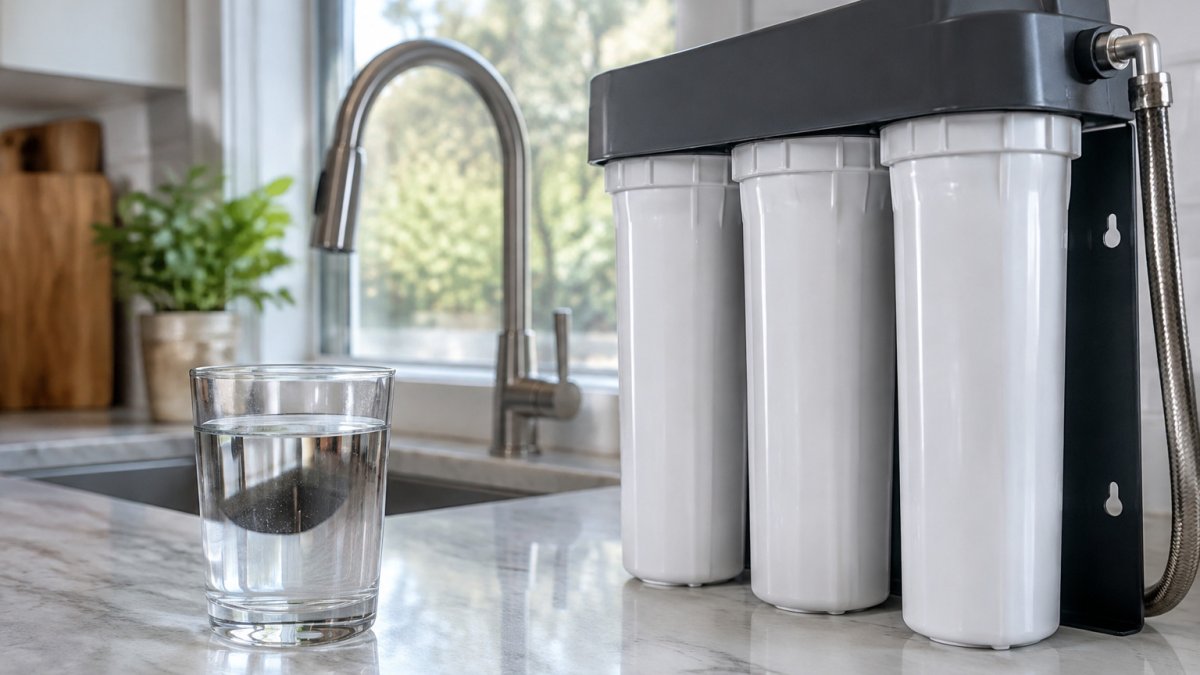
Reverse osmosis forces water through a semipermeable membrane that rejects most dissolved contaminants, including many PFAS. It produces high-purity water at the point of use, but it generates a concentrated reject stream and needs regular membrane maintenance. Reverse osmosis is often used for drinking and cooking water rather than an entire groundwater plume.
In Situ vs. Ex Situ Treatment: Choosing Where the Cleanup Happens
Treatment can take place in the ground or after groundwater is pumped to the surface. In situ approaches treat the contaminated zone in place, which avoids large-scale extraction but is harder to control and monitor. Ex situ approaches pump water out, treat it in a dedicated system, and return it or discharge it under permit.
The choice depends on plume size, geology, and regulatory requirements. Ex situ systems are easier to inspect and adjust, while in situ methods can reduce handling and disruption on a property. Most sites weigh these trade-offs against cost and timeline before committing to one.
Destructive Technologies: Chemical Oxidation, Electrochemical and Biological Approaches
Destructive technologies attempt to break the carbon-fluorine bonds in PFAS rather than transfer the compounds into a sorbent or a reject stream. That goal is what makes them attractive, because it removes the disposal problem that comes with spent carbon or resin. It is also what makes them difficult, since the carbon-fluorine bond is among the strongest in organic chemistry, and complete mineralization to fluoride, carbon dioxide and water requires substantial energy or highly reactive species.
Chemical oxidation covers processes that generate strong oxidants or reductants in situ or in a treatment vessel. Persulfate and permanganate are common oxidants used for groundwater and soil applications, and their effectiveness against PFAS is limited because many PFAS resist oxidation. Chemical reduction with hydrated electrons has been explored in research settings, but these approaches are generally still at the pilot or research stage for full-scale water treatment. Oxidant demand from natural organic matter and reactive minerals in the aquifer frequently consumes reagent before it reaches the target compounds.
Electrochemical treatment passes current through contaminated water using electrodes, and PFAS destruction is attributed to direct electron transfer at the anode or to reactive species generated at the electrode surface. Boron-doped diamond and similar anodes have shown promise in laboratory work. Electrochemical systems can operate at the point of treatment without adding chemical reagents, but they consume electricity, can form unwanted byproducts depending on water chemistry, and their performance drops sharply in waters with high conductivity competition or low PFAS concentration.
Biological approaches rely on microorganisms or enzymes to transform PFAS. Defluorination by specialized bacteria has been documented in laboratory settings, but the rates are slow and the transformation often stops at intermediate compounds that may be as persistent as the parent molecule. Practical field use remains limited, and most biological work is still focused on understanding pathways rather than delivering reliable treatment.
The common limitation across all three categories is incomplete destruction and the risk of stable intermediates. A destructive process that transforms a long-chain compound into shorter-chain PFAS can leave the regulatory problem in place while changing its chemical form. For that reason, destructive methods are generally verified by analyzing both the parent compounds and the transformation products, not by measuring a single target.
Watch out: destruction claims made in pilot studies often rely on short retention times and clean water matrices, so ask whether results were demonstrated on water similar to your site before relying on them.
How to Test Well Water for PFAS Before Choosing a Remedy
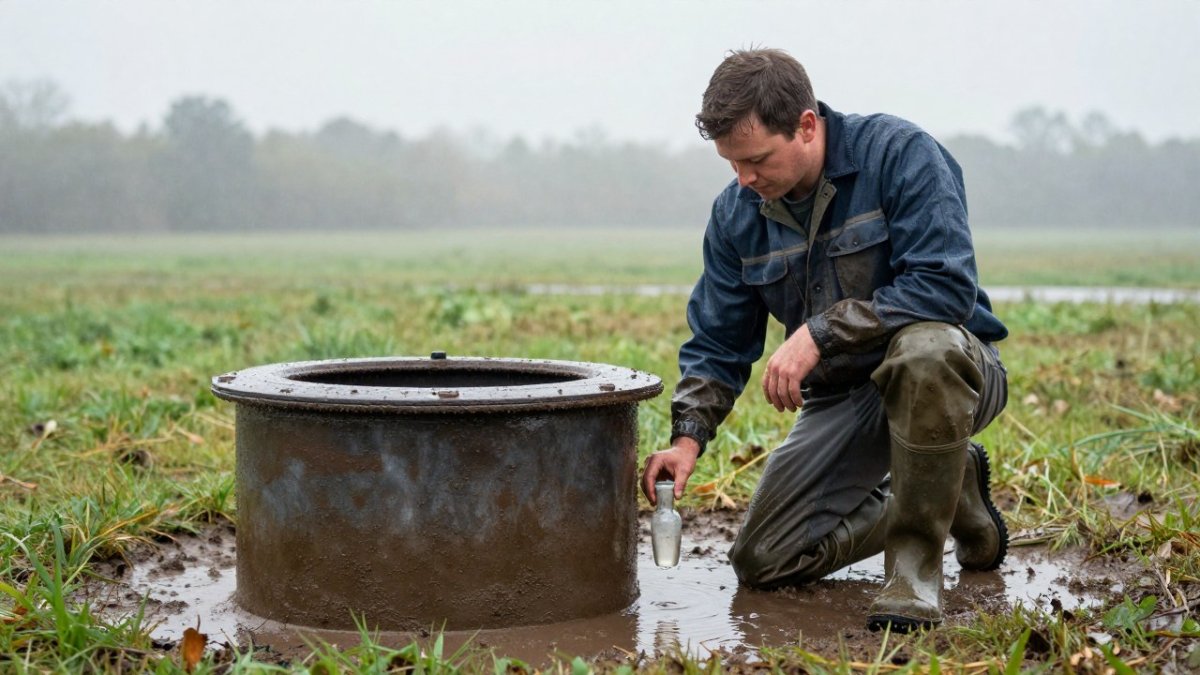
Testing comes first. Knowing which compounds are present and at what concentrations determines which treatment makes sense. A certified laboratory analysis of a water sample is the standard starting point, and it is worth confirming that the lab uses methods suited to PFAS detection (the EPA).
Contact a state-certified laboratory and request a PFAS analysis.
Collect the sample using the lab's instructions, since container and handling rules are strict.
Review the results and note which PFAS compounds are reported and their concentrations.
Compare the findings against current federal and Massachusetts drinking-water standards.
At Bevilacqua Pure, we explain test results in plain language so homeowners understand what the numbers mean for their water.
Best Water Filtration for PFAS: Matching Technology to Site Conditions
No single technology is best in every case. Carbon filtration suits many point-of-use situations, ion exchange can address a wider range of compounds, and reverse osmosis delivers very pure drinking water. The right choice depends on the contaminant profile, flow requirements and maintenance tolerance. Homeowners who want to know whether a whole-home system will also address other concerns can review EPA information on water treatment options alongside their test results.
For homes that need comprehensive coverage, Whole-Home Water Filtration for Cleaner Water at Every Tap can address water throughout the house rather than only at one tap, and our team can help match the system to your water. Our guide on PFAS water treatment and home filter options covers carbon, ion exchange and reverse osmosis in more depth.
Cost of PFAS Water Treatment and Long-Term Maintenance
Most PFAS treatment guides explain how each technology works but stop short of explaining what it costs to run. For a property owner or project manager, the operating picture usually matters more than the equipment price, because the same unit can be inexpensive to install and expensive to keep working over ten or twenty years. The useful way to compare options is by lifetime cost per gallon treated, with maintenance complexity recorded alongside it.
The main cost drivers fall into four groups. The first is media or membrane consumption. Granular activated carbon must be replaced or thermally reactivated once its adsorption capacity is exhausted, and the replacement interval depends heavily on influent PFAS concentration and on the mix of chain lengths, since longer-chain compounds load the bed faster. Ion exchange resin is consumed on a similar basis and is usually replaced as a unit. Reverse osmosis membranes have a longer service life but are fouled by suspended solids and scale, so pretreatment quality directly sets how often they are swapped.
The second driver is reject or spent-media handling. Reverse osmosis produces a concentrated reject stream, and the volume of that stream relative to product water is a recurring operating cost that many buyers overlook. Spent carbon and resin become a waste-management line item, covered in more detail below, and their disposal cost can rival the media cost itself.
The third driver is monitoring. Systems that treat near a regulatory threshold typically require more frequent sampling than systems operating well below it, and each sample requires laboratory analysis using PFAS-specific methods. These costs are easy to underestimate in a budget because they do not appear on any equipment invoice.
The fourth driver is operator attention. A single carbon vessel with a scheduled changeout interval is simple to manage. A multi-stage train with pumps, pressure monitoring and membrane cleaning needs trained attention and a service contract, and that labor belongs in the lifetime comparison.
A practical way to compare options is to build a simple annual model: estimate annual water volume, divide the sum of media or membrane replacement, disposal, monitoring and service labor by that volume, and express the result in dollars per thousand gallons. Run the same model for each candidate technology using the same influent data. Because concentrations and chain-length mix vary by site, the output is most useful as a relative ranking between options rather than as a universal price. Actual dollar figures should come from a site-specific quote, since media prices, disposal rates and labor costs differ by region.
Watch out: a low replacement-media price can hide a short service interval, so always compare cost per thousand gallons rather than cost per cartridge.
The operating picture of each technology is easy to overlook, so the main cost drivers are summarised below.
Cost driver | What drives it | Note |
Media or membrane replacement | Influent PFAS concentration and chain-length mix | Longer-chain compounds load carbon faster |
Reject or spent-media handling | Reverse osmosis reject volume and spent carbon or resin | Disposal can rival the media cost |
Monitoring | Proximity to regulatory threshold | Requires PFAS-specific laboratory analysis |
Operator attention | System complexity | Multi-stage trains need trained service |
Scheduling a Free Water Test and Your Remediation Plan
Understanding your water is the first step toward choosing the right treatment. A free water test gives you a clear picture of what is in your supply, and our team reviews the results with you in plain language before recommending anything. There is no pressure to buy, and every recommendation starts from your water and household needs.
Bevilacqua Pure helps Worcester County and MetroWest homeowners understand their water and choose treatment that fits. Book your free water test and we will walk you through the results.
Frequently Asked Questions
What are the health risks of PFAS in private wells?
PFAS are persistent compounds that accumulate in the body over time. Research has examined long-term PFAS exposure in connection with several health outcomes, and health authorities continue to study these effects. Because private wells are not covered by public water system monitoring, homeowners often do not know their levels unless they test. A certified lab test is the only reliable way to find out whether PFAS are present in your well and at what concentration.
How much does PFAS water treatment cost?
Costs depend on the contaminants present, the flow rate needed, whether treatment is point-of-use or whole-home, and how often media must be replaced. Pricing varies by system design and site conditions, so the most accurate figure comes from a site-specific quote. Contact Bevilacqua Pure through our website for current pricing and a consultation after reviewing your water test results.
Is a water softener enough to remove PFAS?
No. Standard water softeners remove hardness minerals such as calcium and magnesium through ion exchange, but they are not designed to capture most PFAS compounds. Effective PFAS reduction typically requires activated carbon, specialized ion exchange resins or reverse osmosis, chosen based on the specific compounds found in your water.
Comments