
How to Test Tap Water for PFAS: A Step-by-Step Guide

Last Updated: November 6, 2026
Quick Summary
To check tap water for PFAS, first read your water utility's annual Consumer Confidence Report for PFOA, PFOS and other compounds. If the report is missing or incomplete, test tap water yourself using a certified laboratory that names the EPA method and reporting limits.
Public utilities must publish annual Consumer Confidence Reports that can list detected PFAS compounds.
PFAS levels are commonly reported in parts per trillion (ng/L), so check the units on any result.
A non-detect applies only to the compounds on the lab's analyte list and is limited by its reporting limit.
Ask any lab for accreditation covering drinking water and the specific EPA method, such as Method 533 or 537.1.
Private well owners are responsible for testing their own water, since no regulator samples it on a set schedule.
Table of Contents
If you want to know whether PFAS, the group of per- and polyfluoroalkyl substances often called forever chemicals, is in your tap water, the fastest first step is to check your water utility's annual Consumer Confidence Report, and to test tap water yourself if the report is missing or incomplete. Many public water systems now test for PFAS and publish the results. Others have not tested yet, and that gap matters too.
Water utilities in the United States must publish these annual reports, and the Environmental Protection Agency (EPA) explains what they should contain. EPA guidance on Consumer Confidence Reports Look for a table of detected contaminants. Find PFAS compounds by name, such as PFOA or PFOS, and note the reported level, the units, and the date of the sample.
Watch for these details as you read:
Detected: The compound was found at a measurable level.
Not detected: The compound was not found above the lab's reporting limit.
Sample year: Older results may not reflect current conditions.
Units: PFAS levels are commonly reported in parts per trillion (ng/L).
Where to find public PFAS data
Most utilities post their reports on their websites. If you cannot find one, call the utility's customer service line and ask for the most recent PFAS sampling results. Your state environmental or health department may also keep a public database of water testing. EPA PFAS drinking water monitoring information explains the federal monitoring requirements that apply to public systems.
A common mistake is assuming "no detection" means the water is untested. Ask whether the utility tested for PFAS at all, and which compounds were on the list, because a short list of target analytes covers less than the full group, and a test tap water sample from a certified lab can fill that gap.
Public Water System or Private Well: Which Path to Take
Your next step depends on where your water comes from. Homes served by a public water system and homes with a private well follow different paths.
If a city, town, or water district supplies your home, the utility is responsible for monitoring the water it delivers. Your job is to read its results and ask questions. If a private well supplies your home, you are responsible for testing it. No regulator will sample it for you on a set schedule.
Use this quick decision tree:
Public water, PFAS results posted: Review the latest data. Contact the utility if you have questions.
Public water, no PFAS results posted: Ask the utility whether it has tested. Consider a test of your own tap water.
Private well: Plan a PFAS test through a certified laboratory on a regular schedule.
Watch out: Some homes are on a public system but still have older plumbing or fixtures that can affect the water at the tap. A utility report describes the water when it leaves the treatment plant, not necessarily the water in your kitchen.
Deciding When to Test Your Household Water
You should test your household water when you have a reason to, and you may want to test even without one. The right timing depends on your water source, your location, and any local concerns.
Consider testing when:
Your utility reports detected PFAS or has not tested for it
You rely on a private well
Your area has known industrial or military sites that used PFAS-containing products
You notice a change in taste, odor, or color
Retest after a change in your water source, after plumbing or treatment work, and on a regular schedule if you have a well. Many households test once to establish a baseline, then retest when conditions change.
Choosing a PFAS Water Test Kit or Certified Laboratory
Home test kits are inexpensive and easy to use, but they often report only a few compounds at coarse levels. A laboratory test gives a more complete picture. Laboratory analysis is the standard way to confirm PFAS in drinking water, especially when results matter for health or treatment decisions.

When comparing options, check:
Which compounds the test measures
The reporting limit, the lowest level the lab can reliably detect
Whether the lab uses an EPA-approved method
Turnaround time and sample-handling instructions
Whether the price includes the bottle, shipping, and the report
A common pattern is that the cheapest kit measures the smallest panel. If the panel omits the compounds your utility or state agency regulates, a low price buys little useful information.
How to verify laboratory accreditation and method suitability
Ask the laboratory for proof of accreditation. In the United States, many labs are accredited under the National Environmental Laboratory Accreditation Program (NELAP) for drinking water testing. Confirm that the accreditation covers the specific PFAS method you need. A lab accredited for one method may not be accredited for another.
Use this verification checklist before you pay:
Ask for the lab's accreditation certificate and the method and analyte list it covers
Confirm the accreditation is current and lists drinking water, not only wastewater or solids
Ask which EPA method the lab will run, such as EPA Method 533 or 537.1
Request a sample report so you can see how results and reporting limits are presented
Confirm the lab supplies the sample bottle and any preservative
Ask who signs the chain-of-custody form and how the lab handles a rejected sample
Ask which method the lab uses, such as EPA Method 533 or 537.1. The method should match the compounds you want measured. Method 533 covers a set of short-chain and other PFAS compounds, while Method 537.1 covers a different group; a lab that runs only one may not report the compounds your state regulates.
Watch out: A laboratory that is accredited for one matrix, such as wastewater, is not automatically accredited for drinking water, and a certificate that does not name the PFAS method is not proof of method suitability.
How to compare laboratory reports before you choose
Request a sample report from each lab you are considering and compare them side by side. Look at the analyte list, the reporting limit for each compound, the units, and whether non-detects are shown with the limit that applied. A report that lists only "PFAS" as a single result is less useful than one that lists each compound separately.
A practical comparison:
Analyte list: Does it include PFOA, PFOS, and the other compounds your utility or state regulates?
Reporting limits: Are they low enough to compare against federal and state standards?
Units: Are results in parts per trillion (ng/L) and labeled clearly?
Method: Is the EPA method named on the report?
Chain of custody: Does the report reference the sample date, time, and collector?
The table below compares the main points to check when choosing a PFAS test, as the article describes them.
Check | What to look for | Why it matters |
Accreditation | Certificate lists drinking water and the PFAS method | Confirms the lab is qualified for the test |
Method | EPA Method 533 or 537.1 named on report | Each method covers different compounds |
Analyte list | Compounds such as PFOA and PFOS listed | Anything not listed was not measured |
Reporting limit | Low enough to compare with standards | A non-detect is only as strong as this limit |
Units | Parts per trillion (ng/L) | Other units need conversion before comparing |
Price | Includes bottle, shipping and report | Cheap kits often measure fewer compounds |
How to Test for PFAS in Water at Home: Sample Collection Checklist
Collecting the sample correctly matters as much as the lab work. A mistake at the sink can invalidate the result.
Use this checklist:
Use the bottle the laboratory provides, never a reused container
Do not rinse the bottle or remove any preservative inside it
Remove the faucet aerator if the lab instructs you to
Let the cold water run as the lab directs before filling
Fill the bottle to the marked line without touching the rim
Seal the bottle tightly and label it with the date and time
Keep the sample cool and ship it within the lab's time window
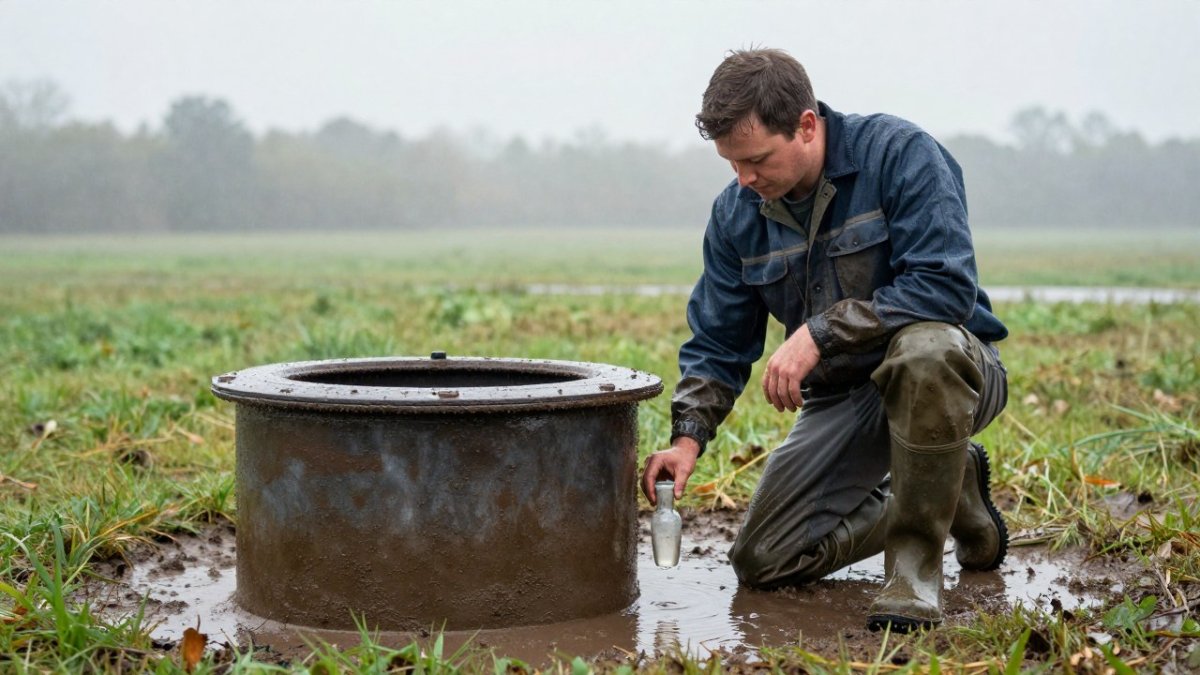
A common mistake is using a standard drinking glass or a bottle that was washed with soap. Some soaps and materials can contaminate a PFAS sample.
Chain-of-custody guidance
A chain-of-custody form records who collected the sample, when, and where, and who handled it afterward. Labs use it to confirm the sample was not changed or mixed up along the way. Fill out every field, sign it, and keep a copy. If the lab rejects a sample for missing information, the test will need to be repeated.
EPA Methods 533 and 537.1: What the Testing Methods Measure
The EPA publishes laboratory methods for measuring PFAS in drinking water. Method 533 measures a set of short-chain and other PFAS compounds using isotope dilution. Method 537.1 measures a different group of compounds and is widely used for the compounds it covers. EPA Method 533 and Method 537.1 documentation
Neither method measures every PFAS compound that exists. Each one lists specific target analytes. When you compare lab reports, check which method was used and which compounds it covered. A result of "not detected" applies only to the compounds on that method's list.
Free PFAS Water Testing Options and What They Cover
Some utilities, health departments, and community programs offer free or low-cost PFAS testing, especially in areas with known contamination. Ask your utility and local health department what is available. Coverage varies. Some programs test only a few compounds, and some test only public water samples.
Before you accept a free test, ask:
Which PFAS compounds are measured?
Which lab performs the analysis?
Who receives the results, and how quickly?
Free testing is a useful starting point, but it may not replace a full laboratory panel for a private well or for detailed treatment planning.
Reading PFAS Water Test Results: Detection Limits, Analyte Lists and Standards
A lab report can look complicated, but a few terms explain most of it.
Analyte list: The compounds the lab tested for. Anything not on the list was not measured.
Detection limit: The lowest concentration the method can detect.
Reporting limit: The lowest level the lab reports as a number.
Non-detect: The compound was below the reporting limit.
Parts per trillion (ng/L): The unit used for most PFAS results.
How to compare a report against standards
Compare your result to the federal drinking water standards for PFAS. The EPA set maximum contaminant levels for certain PFAS compounds in 2024, and some states have set their own limits or health advisories. EPA PFAS National Primary Drinking Water Regulation Check whether your state has stricter standards.
Separate the numbers into three buckets before you react:
Enforceable limits: Maximum contaminant levels set by the EPA or a state agency. These are the numbers a public water system must meet.
Health advisories: Non-enforceable levels that indicate a health concern. They are useful context but are not the same as a legal limit.
Laboratory reporting limits: The lowest level the lab can report. A result below the reporting limit is a non-detect, not a zero.
A non-detect is only as meaningful as the reporting limit behind it. If the lab's reporting limit is higher than the federal or state limit, a non-detect does not prove the water is below that limit. Ask the lab for the reporting limit for each compound and compare it to the standard you care about.
How to read the analyte list and units
Check which compounds were measured and which were not. A report that covers PFOA and PFOS but omits other regulated compounds gives a partial picture. Note the units on the report and confirm they are parts per trillion (ng/L); a report in parts per billion (µg/L) is a different scale and should not be compared directly without conversion.
Watch out: A report that lists a single "total PFAS" number without an analyte list and reporting limits cannot be compared to federal or state standards, because the standards apply to specific compounds.
Standards can change, so confirm current limits with the EPA and your state agency before making decisions based on a number. Keep the original report and the sample date; when you retest, compare the new report against the same analyte list and reporting limits so the results are comparable.
If Your Results Show PFAS: Retesting, Treatment and Next Steps
A detected PFAS result is a reason to act, not to panic. Start by confirming the result with a second test from a certified lab, since one sample can vary. Then look at treatment options.
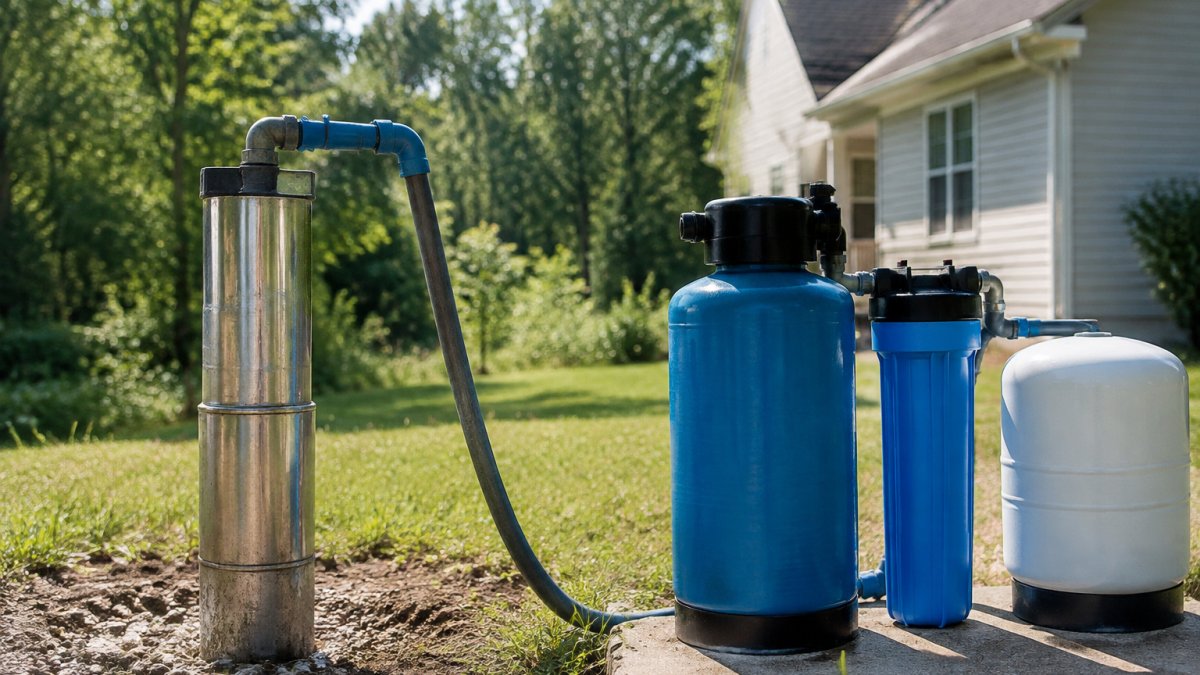
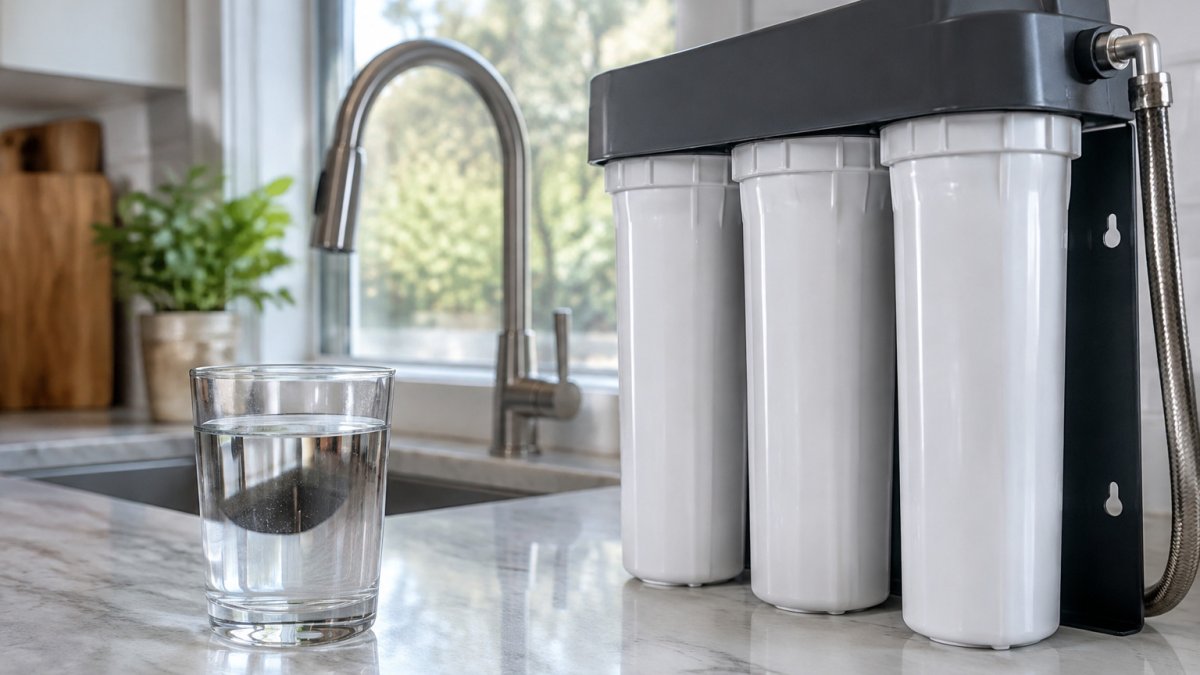
Activated carbon and reverse osmosis are two common approaches for reducing PFAS at the point of use. See evidence on whether whole-house filtration removes PFAS and heavy metals to understand how these systems perform on the contaminants you're most concerned about. Bevilacqua Pure designs whole-home and drinking-water filtration systems around each home's water source and test results, and you can learn more about whole-home water filtration solutions for cleaner water at every tap.
Retest on a schedule that fits your situation:
Retest after any treatment system is installed or serviced
Retest when your utility reports a new detection
Retest yearly if you have a private well and detected PFAS
If you want help reading your results or planning next steps, book a free in-home water test with the Bevilacqua Pure team. We explain results in plain language.
Frequently Asked Questions
How can I test my tap water for PFAS?
Start by checking your public water system's annual Consumer Confidence Report and any PFAS sampling results it has posted. If your utility has not tested for PFAS or the results are unclear, you can collect a sample and send it to a certified laboratory that uses EPA Method 533 or 537.1. Many labs sell kits that include bottles, preservatives and shipping instructions. Follow the collection steps exactly, keep chain-of-custody paperwork, and compare the report's detection limits with the standards that apply to your water.
Can I test tap water for PFAS at home?
Home test strips and kits exist, but most do not detect PFAS at the low concentrations that matter for drinking-water standards. For a reliable answer, collect a sample yourself and send it to an accredited laboratory, since the lab will report results against specific analytes and detection limits. Ask the lab whether it is accredited for the EPA method you need before you order.
How much does PFAS water testing cost?
Laboratory fees depend on the number of PFAS compounds tested, the method used, turnaround time and whether shipping is included. Prices vary by lab and change over time, so check each laboratory's current fee schedule before ordering. Public water systems sometimes publish PFAS sampling results at no cost to residents. For a current price or a quote on testing for your home, contact Bevilacqua Pure directly through its website.
What should I do if my water test shows PFAS?
Do not panic, but do not ignore the result. Compare the measured concentration with the EPA's drinking-water standards and health advisories, and confirm the result with a retest, since a single sample can be affected by collection error. Review the analyte list to see which compounds were detected. If levels are above the standards you care about, consider a point-of-use or whole-home treatment option that is certified to reduce PFAS, and keep records of each test for your health department or water provider.
Comments