
How to Compare Water Filter Cartridge Replacement Costs

Last Updated: November 19, 2026
Quick Summary
To compare water filter cartridge replacement costs, price out a full year of every cartridge the system needs, including pre-filters, post-filters and membranes, then divide that annual spend by the gallons your household actually filters. Cost per gallon is the only figure that lets you compare a pitcher against a whole-house system honestly, because each treats very different water volumes.
List every cartridge the system requires, including pre-filters, post-filters and the membrane, before comparing.
Faucet-mount cartridges are rated for roughly 100 to 200 gallons, with two to three month replacement intervals common.
Whole-house systems treat roughly 150 to 250 gallons per day for an average household.
Generic cartridges cost less per unit, but check compatibility and warranty terms before switching.
Track your replacement dates for the first year, then set a schedule based on what you observed.
What will your filters really cost each year?
We test your water and explain which cartridges you need, and how often.
Table of Contents
Why Water Filter Cartridge Replacement Costs Add Up
The purchase price of a water filter tells you almost nothing about what it will cost you to own. Cartridges are consumables, and the water filter cartridge replacement cost comparison most homeowners never run is the one that separates a cheap system from an expensive one. A homeowner often buys on sticker price, then discovers the annual cartridge bill is the real number. A pitcher filter that costs little upfront can quietly outspend a whole-house system per gallon over several years. Below, we break down replacement costs by system type, cost per gallon, and the hidden expenses that rarely make it into the sales pitch.
A Like-for-Like Comparison of Filter Types and Upfront Costs
Comparing filter systems fairly means holding four variables constant: upfront price, cartridge price, cartridge lifespan, and gallons treated. Most product pages compare only the first two.
Pitcher, Faucet, Under-Sink, and Whole-House Systems
Pitchers and faucet mounts generally have the lowest entry price but the shortest cartridge life. Under-sink systems usually cost more upfront, and whole-house systems generally carry the highest installation cost while protecting every tap, appliance, and shower in the home.
What the Sticker Price Leaves Out
Installation, housings, and plumbing work are one-time costs. Cartridges are recurring. A fair comparison weighs both, then divides by gallons treated. The EPA's guidance on home water treatment is a useful starting point for understanding what each system type actually removes.
System Type | Upfront Cost | Cartridge Cost | Cartridge Life | Best For |
Pitcher | Low | Low | Short | Renters, one or two people |
Faucet mount | Low | Low | Short | Basic chlorine reduction |
Under-sink | Medium | Medium | Medium | Drinking and cooking water |
Whole-house | High | Varies | Long | Full-home protection |
Water Filter Cartridge Lifespan and Replacement Frequency
Cartridge lifespan is the variable that most changes your annual cost, and it depends on the filter's rated capacity in gallons, your household's daily water use, and the sediment load in your water.
A common mistake is treating the manufacturer's lifespan as a fixed calendar interval. It is a capacity rating, not a schedule. A family of five will exhaust a cartridge far faster than a couple in a small apartment using the same system.

Sediment-heavy water shortens filter life. Chlorine and mineral content affect carbon block performance. Watch out: skipping replacements past the rated capacity doesn't just reduce filtration, it can let captured contaminants pass through and strain the housing.
Water Filter Replacement Cost Per Year by System Type
Annual cost is where the picture becomes clear. The formula is simple: multiply the number of cartridges you replace each year by the price per cartridge, then add any pre-filter or post-filter costs. What most buyers get wrong is the cartridge count, they price the main cartridge and forget the pre-filter, post-filter, or membrane that sits behind it.
Below are general planning scenarios for low-, average-, and high-use households. Actual costs depend on the specific system, cartridge pricing, and water quality; confirm against the system you are considering and request a quote from Bevilacqua Pure for current pricing.
Pitcher and Dispenser Filters
Pitchers and dispensers use one cartridge at a time, and replacement frequency depends on the model and household use. For current cartridge pricing and an annual estimate for your home, request a quote from Bevilacqua Pure.
Watch out: pitcher cartridges are often sold in multi-packs at a lower per-unit price, so the annual figure depends heavily on whether you buy singles or bulk.
Faucet-Mount Filters
Faucet mounts use a single cartridge rated for roughly 100 to 200 gallons. Replacement intervals of two to three months are common for average use. At roughly $15 to $35 per cartridge, annual spend typically falls in these ranges:
Low use: about $60 to $105 per year
Average use: about $60 to $210 per year
High use: about $120 to $280 per year
Under-Sink Systems
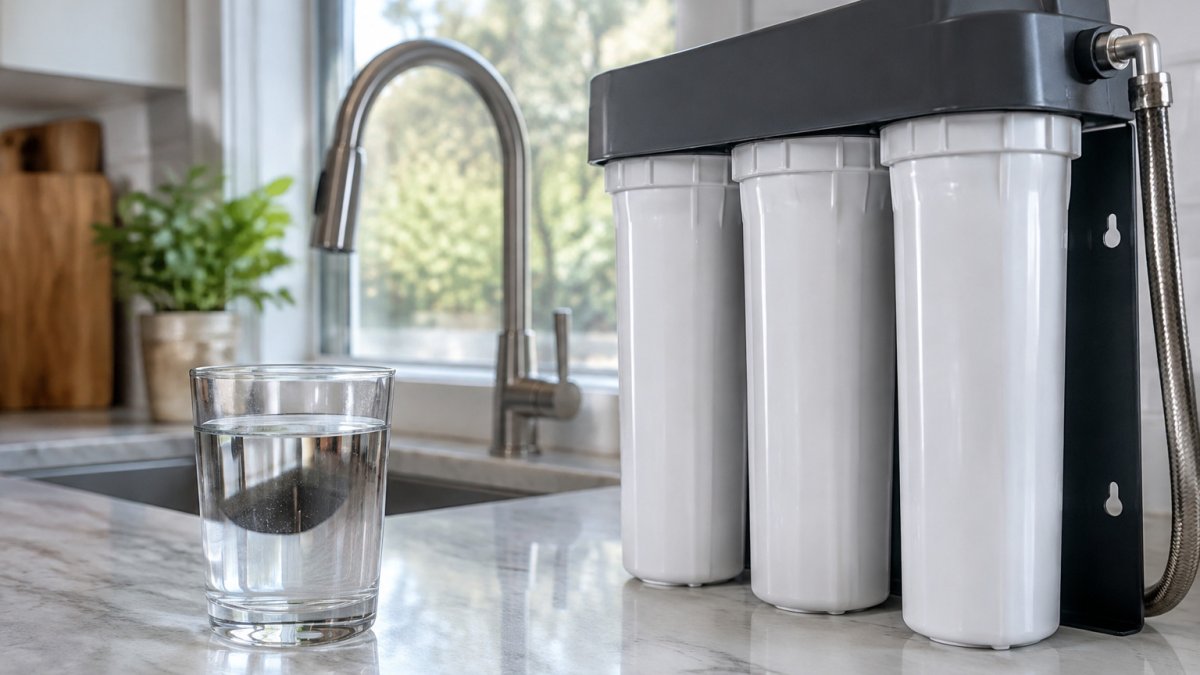
Under-sink systems usually combine a sediment pre-filter and a carbon block, each on its own schedule, and sediment-heavy water generally shortens those intervals. For current cartridge pricing and an annual estimate for your system, request a quote from Bevilacqua Pure.
Reverse Osmosis Systems
Reverse osmosis systems typically involve several stages, and the RO membrane is a line item homeowners often leave out of a cost comparison. For current pricing on reverse osmosis cartridges and membranes, request a quote from Bevilacqua Pure.
Whole-House Systems
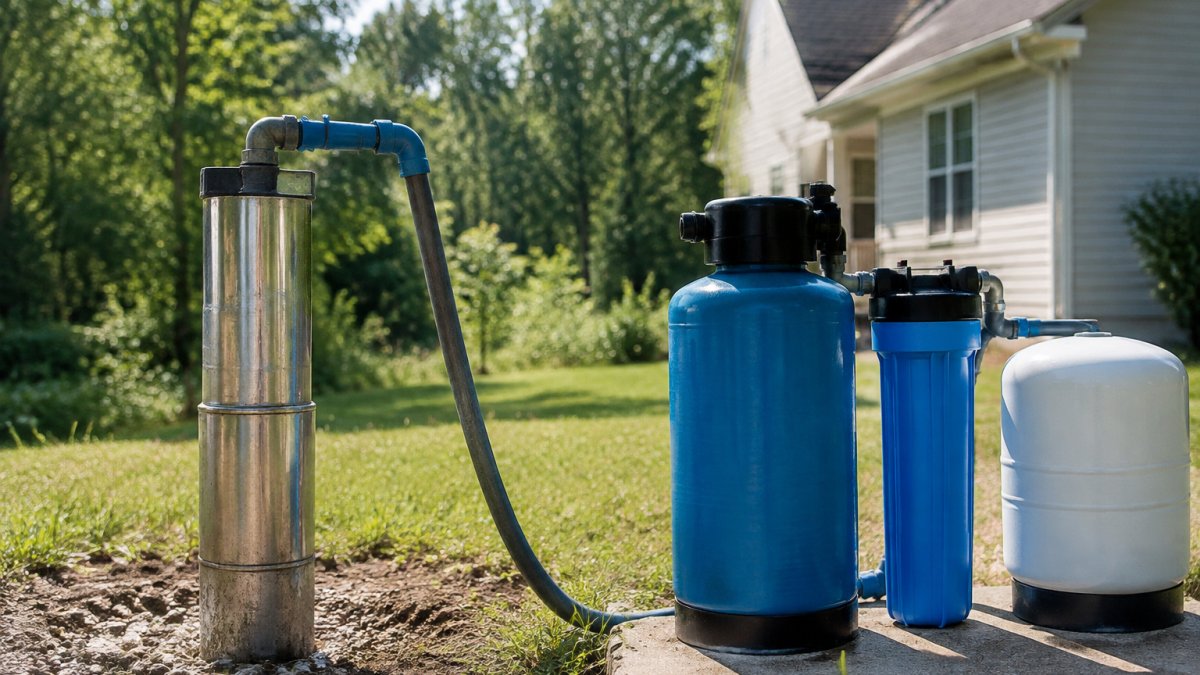
Whole-house systems use larger housings and often combine a sediment pre-filter with one or two carbon stages. Replacement intervals depend on water quality and household use. Installation and plumbing work are separate one-time costs; for pricing specific to your home, request a quote from Bevilacqua Pure.
How to Build Your Own Estimate
List every cartridge the system requires, including pre-filters, post-filters, and the membrane.
Note the rated capacity in gallons for each.
Estimate your household's filtered gallons per day (drinking and cooking only for point-of-use; all household water for whole-house).
Divide annual gallons by rated capacity to get replacements per year, then multiply by the current price per cartridge.
Add shipping if you order online and any service labor if you do not change cartridges yourself.
Because pricing varies by system and retailer, price out a full year of cartridges before you buy any system. That single exercise prevents most buyer's remorse, and it is the number a sticker price will never show you.
Reverse Osmosis Filter Replacement Cost and Membrane Timing
Reverse osmosis systems carry a distinct cost structure: a sediment pre-filter, one or more carbon filters, the RO membrane, and often a post-filter. The membrane is the expensive component and the one homeowners underestimate.
Membranes last considerably longer than carbon stages, but they are not permanent. Sediment and chlorine degrade them, and hard water accelerates the decline. A common mistake is replacing carbon filters on schedule while ignoring the membrane until performance drops.
For a deeper look at how treatment options affect long-term spending, see our PFAS water treatment guide. It explains how contaminant targets shape which stages you actually need, and therefore which cartridges you will be buying for years.
Water Filter Cost Per Gallon: The Number That Actually Matters
Cost per gallon is the only figure that lets you compare a pitcher against a whole-house system honestly. Divide your annual cartridge spend by the gallons your household actually filters each year. The catch is that "gallons filtered" means something different for each system type: a pitcher or faucet filter treats only the water you drink and cook with, while a whole-house system treats every gallon that enters the home, including showers, laundry, and irrigation.
That distinction is why most cost-per-gallon comparisons are unfair. A whole-house system looks expensive per gallon until you account for the fact that it is filtering ten to twenty times more water than a pitcher. A pitcher looks cheap per gallon until you notice it is treating only a fraction of your household's water.
Normalizing the Comparison
To compare fairly, hold three variables constant: household size, gallons filtered per day, and time period. The scenarios below use an average household of three to four people drinking and cooking with about 2 to 3 gallons of filtered water per day for point-of-use systems, and a whole-house system treating roughly 150 to 250 gallons per day for the same household. Annual cartridge costs are drawn from the ranges in the previous section. These are planning estimates, not quotes.
System Type | Annual Cartridge Cost (Average Use) | Gallons Filtered Per Year | Approx. Cost Per Gallon |
Pitcher | $50-$150 | 730-1,095 (drinking/cooking) | $0.05-$0.20 |
Faucet mount | $60-$210 | 730-1,095 (drinking/cooking) | $0.06-$0.29 |
Under-sink | $60-$200 | 730-1,095 (drinking/cooking) | $0.06-$0.27 |
Reverse osmosis | $100-$300 | 730-1,095 (drinking/cooking) | $0.09-$0.41 |
Whole-house | $100-$400 | 54,750-91,250 (all household water) | $0.001-$0.007 |
Read the table carefully. The whole-house system's cost per gallon looks dramatically lower because it is spreading its cartridge cost across every gallon in the home, not because the cartridges are cheaper. If you only care about drinking water, compare point-of-use systems against each other on the same gallons-filtered basis. If you want protection for appliances, showers, and laundry, the whole-house figure is the relevant one, but it is not a like-for-like substitute for a drinking-water filter.
Low-, Average-, and High-Use Scenarios
A household of one or two people drinking about 1 gallon per day will see pitcher cost per gallon at the high end of its range because the cartridge may still need changing on a calendar basis even if capacity remains. A household of five or more drinking 4 to 5 gallons per day will exhaust cartridges faster but spread the cost across more gallons, often landing near the middle of the range. Generally, cost per gallon falls as gallons filtered rises, up to the point where sediment or hardness forces earlier changes.
What the Math Rewards
A system with cheap cartridges but a short lifespan can cost more per gallon than a pricier system with long-lasting cartridges. The math rewards capacity, not sticker price. It also rewards matching the system to the water you actually use: buying a whole-house system to filter drinking water overstates the benefit, and buying a pitcher to protect a water heater understates the need.
To run the comparison for your home, you need two numbers: your annual cartridge cost and your household's filtered water volume. Many homeowners guess at the second one. A water test and a look at your usage patterns can give you a more realistic figure, which is why Bevilacqua Pure starts with the water itself. Track your actual replacement dates for the first year, then replace the estimates above with your own numbers, that is the only cost-per-gallon figure that is truly yours.
Total Cost of Ownership Beyond Cartridges
Cartridges are not the whole story. Total cost of ownership includes installation, housing replacement, O-rings and fittings, and the labor to service the system. It also includes the cost of the problems a filter prevents, such as scale on appliances and premature water heater failure.
A corroded heating element is a repair bill a whole-house system may help you avoid. That belongs in the comparison, even though no product page lists it.
For a step-by-step look at removing contaminants and what that means for ongoing filter needs, our guide on how to remove forever chemicals from tap water walks through the process.
Generic vs. Brand-Name Cartridges: Compatibility and Warranty Trade-Offs
Generic cartridges cost less per unit, and that is the entire argument for them. The trade-offs are compatibility and warranty.
A generic cartridge that fits loosely can bypass water around the filter media, which defeats the purpose. Some manufacturers void warranties when non-approved cartridges are used. Others specify approved replacements in the manual.
Our guidance: match the cartridge to the housing specification, check the warranty terms before switching, and treat any universal or compatible cartridge as a claim to verify, not a guarantee. The NSF certification database lets you confirm whether a cartridge is certified for the contaminants you care about.
Matching Replacement Timing to Your Actual Water Use and Water Quality
Replacement timing should follow your water, not the calendar on the box. Households on municipal water with moderate sediment can often stretch intervals; homes with heavy sediment, hard water, or high chlorine load should shorten them.
If you are deciding on a system based on your water quality, our article on whether whole-house filtration removes PFAS and heavy metals explains what different systems actually target.
Practical signals that a cartridge is spent: reduced flow, returning taste or odor, and visible sediment in the housing. Track your replacement dates for the first year, then set a schedule based on what you actually observed.
Book Your Free Water Test Before You Choose a System
The right system is the one matched to your water, and that starts with testing. A free in-home water test shows you sediment, hardness, chlorine, and other markers, so you can price cartridges against the contaminants you actually need to remove. Bevilacqua Pure explains results in plain language and offers a pressure-free consultation. When you are ready to compare whole-home options, you can explore whole-home water filtration and book your free water test.
Comparing cartridge costs without knowing your water is guesswork. Bevilacqua Pure starts with a free in-home water test, explains the results in plain language, and designs a system around your home's actual conditions rather than a one-size-fits-all package. Bevilacqua Pure's services include whole-home filtration, PFAS reduction, and reverse osmosis for drinking and cooking water, along with professional installation and a pressure-free consultation. Contact Bevilacqua Pure to book your free water test and discuss a system whose replacement costs you understand before you buy.
Frequently Asked Questions
How often should water filter cartridges be replaced?
It depends on the cartridge type and your household's water use. Replacement frequency depends on the cartridge type and your household's water use. Check the manufacturer's rated capacity for each component. Sediment-heavy water shortens every one of these intervals, so track gallons filtered rather than relying on the calendar alone.
Are generic water filter cartridges as effective as brand-name filters?
Generic cartridges can work well when they carry independent certification for the contaminants you care about, such as lead or chlorine reduction. The risk is unverified products that fit the housing but skip testing. Check for a certification listing on the package, confirm the cartridge is approved for your specific housing, and note that some manufacturers void the warranty if a non-approved cartridge causes damage. A water filter cartridge that saves a few dollars but underperforms is not a real saving.
How do I calculate the annual cost of water filter replacements?
Divide 365 by the cartridge lifespan in days, then multiply by the price per cartridge. For example, divide 365 by the lifespan in days to estimate replacements per year. Add any pre-filter or post-filter costs for multi-stage systems, plus membrane replacement amortized over its lifespan. Comparing that annual figure across system types gives you a fair water filter replacement cost per year rather than a misleading upfront price.
Is a whole-house filter worth the extra cost compared with an under-sink system?
They solve different problems. An under-sink or reverse osmosis system treats drinking and cooking water at one tap and usually costs less upfront and per year. A whole-house filter treats every fixture, protecting appliances and plumbing from sediment and chlorine, but it carries higher cartridge costs because it filters far more gallons. Many households pair a whole-house sediment or carbon filter with a point-of-use RO system for drinking water, which balances protection and ongoing cost.
Comments