
How Long Chlorine Lasts in Tap Water and How to Remove It

Last Updated: November 15, 2026
Quick Summary
How long chlorine lasts in tap water depends on chlorine levels, water temperature, and surface area, but much of the chlorine in an open container can leave within a day at room temperature. Cooler water and narrow-necked jugs slow the process, sometimes to several days. Chloramine does not off-gas this way and will not clear by sitting.
Chlorine escapes as a gas through off-gassing, and a covered pitcher does almost nothing.
Warm water, wide shallow containers, air movement, and stirring all speed up chlorine removal.
Boiling clears free chlorine in minutes but does not remove chloramine.
Activated carbon filters remove chlorine fast, but chloramine needs media rated for it.
Let water sit just long enough to clear chlorine, then cover and refrigerate it.
Worried about chlorine in your tap water?
Bevilacqua Pure tests your water and designs filtration that fits your home.
Table of Contents
How Long Chlorine Lasts in Tap Water: The Short Answer
Chlorine in tap water can dissipate when water sits in an open container at room temperature, though the exact time depends on chlorine levels, water temperature, and surface area. Understanding how long chlorine lasts in tap water matters because that residual disinfectant protects you from bacteria on the way to your tap, but it also affects taste, odor, and how you use the water at home. This guide breaks down what actually happens to chlorine once water leaves the treatment plant, which factors speed up or slow its escape, and when sitting water is not enough.
Does Letting Water Sit Remove Chlorine?
Yes, letting water sit does remove chlorine, but only the volatile form and only with enough time and air contact. Chlorine escapes as a gas through a process called off-gassing. The wider the opening and the warmer the water, the faster it goes. A covered pitcher does almost nothing. An open container with a broad surface gives chlorine room to leave.

How Long Standing Water Needs to Off-Gas
Much of the chlorine in a glass of water can leave within a day in an open container. Cooler water slows the process. Large volumes in a narrow-necked jug can take several days because less water touches the air. If you need the water sooner, pour it into a wide pan or split it across several shallow containers.
Factors That Speed Up or Slow Down Chlorine Dissipation
Several conditions decide how fast chlorine leaves your water, and ignoring them is a common mistake. The biggest levers are:
Surface area: A wide, shallow container beats a tall, narrow one every time.
Temperature: Warm water releases chlorine faster than cold water.
Air movement: A breezy spot or a fan speeds up off-gassing.
Starting concentration: Water with more residual chlorine takes longer to clear.
Container type: An open container works; a sealed lid stops the process.
One insider point most guides miss: stirring or pouring water between containers agitates it and helps chlorine escape faster. You do not need special equipment, just movement and open air.
Chlorine vs. Chloramine in Tap Water
The distinction between chlorine and chloramine changes everything about removal time, and it is the single most common reason a homeowner's removal plan fails. Chlorine is a volatile gas dissolved in water that leaves on its own through off-gassing. Chloramine is a compound of chlorine and ammonia, and it does not off-gas the way free chlorine does. Leaving chloramine in an open pitcher for days will not clear it, and boiling will not remove it either. Many water utilities switched to chloramine because it lasts longer in the pipes, which is good for disinfection but frustrating for homeowners trying to remove it. If your water tastes or smells like chlorine and clears overnight, you likely have chlorine. If the smell lingers no matter how long it sits, suspect chloramine.
How to Tell Which One Your Water Utility Uses
Most guides stop at "check with your utility" without telling you what to look for. Here is the practical sequence:
Find your annual water quality report. Utilities typically publish a consumer confidence report that lists the disinfectant used and the detected range for free chlorine, total chlorine, and any chloramine residual. The report is often posted on the utility's website under a heading like "Water Quality" or "Consumer Confidence Report."
Read the disinfectant line, not the taste-and-odor line. The report will name either chlorine or chloramine (sometimes listed as "chloramines") as the primary or secondary disinfectant. If both appear, the utility may use chlorine for a seasonal burn or switch, so confirm which is in use now.
Call the utility's water quality line and ask two questions: "Do you currently use free chlorine or chloramine?" and "What is the typical total chlorine residual at the tap?" The second number tells you how much you are trying to remove.
Test at the tap to confirm. A test kit that measures free chlorine and total chlorine separately is the most reliable home check. Free chlorine measures the active chlorine; total chlorine measures free chlorine plus combined chlorine (chloramine). A large gap between the two, total chlorine noticeably higher than free chlorine, points to chloramine. If the two readings are close, you likely have free chlorine.
Watch out: a utility that uses chlorine most of the year may switch to chloramine for a few weeks, so a single test in one season does not guarantee what is in your water year-round. Recheck the report each year or after a noticeable change in taste or smell.
For context on what these reports contain and how to read the disinfectant tables, the EPA's guide to consumer confidence reports explains the required disclosures. The practical takeaway: identify the disinfectant before you choose a removal method, because standing water and boiling work for chlorine but not for chloramine.
Does Boiling Water Remove Chlorine?
Boiling can remove free chlorine, and it works faster than sitting water. Heat drives the gas out of solution, so a rolling boil for a few minutes clears free chlorine. But boiling has limits. It does not remove chloramine, and it concentrates other dissolved minerals as water evaporates. Boiling also uses energy and takes time to cool. For a quick fix on drinking water, boiling works for chlorine. For chloramine or a whole-home solution, it falls short.
How to Remove Chlorine from Tap Water
Removal methods range from free and slow to fast and thorough. Here is a practical comparison to help you choose:
Method | Speed | Removes Chloramine? | Best For |
Letting water sit | 24-48 hours | No | Small batches, plants |
Boiling | Minutes | No | Quick drinking water |
Activated carbon filter | Fast | Some types yes | Drinking and cooking |
Whole-home filtration | Continuous | Yes, with right media | Every tap in the house |
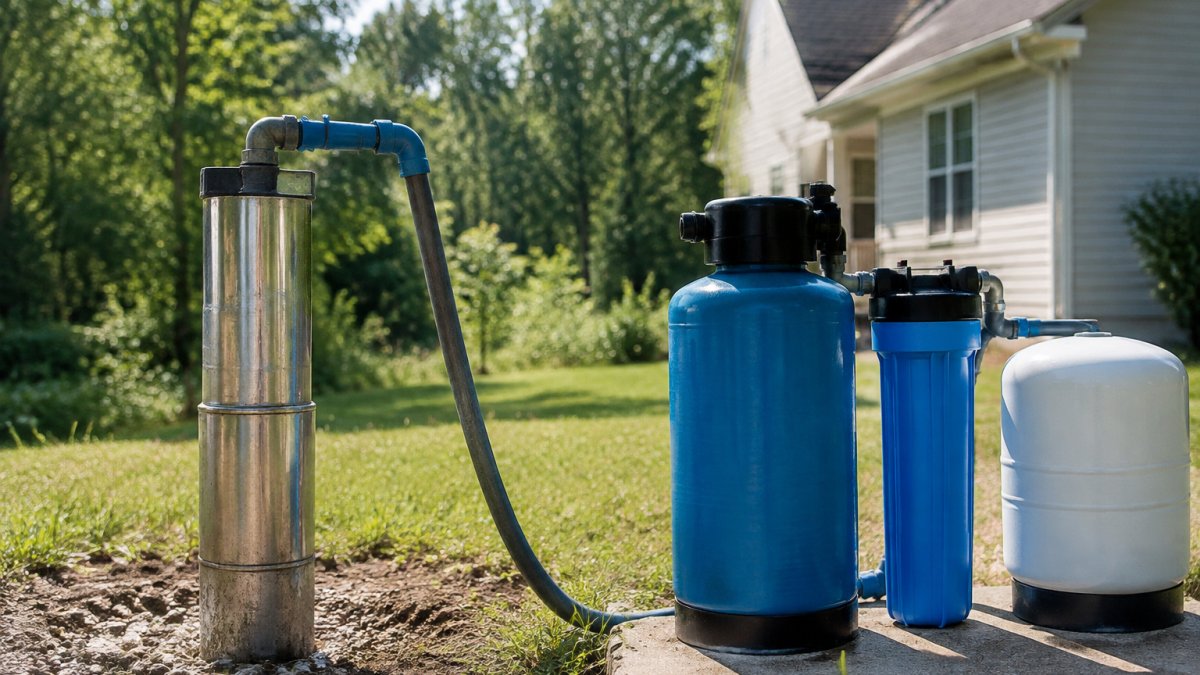
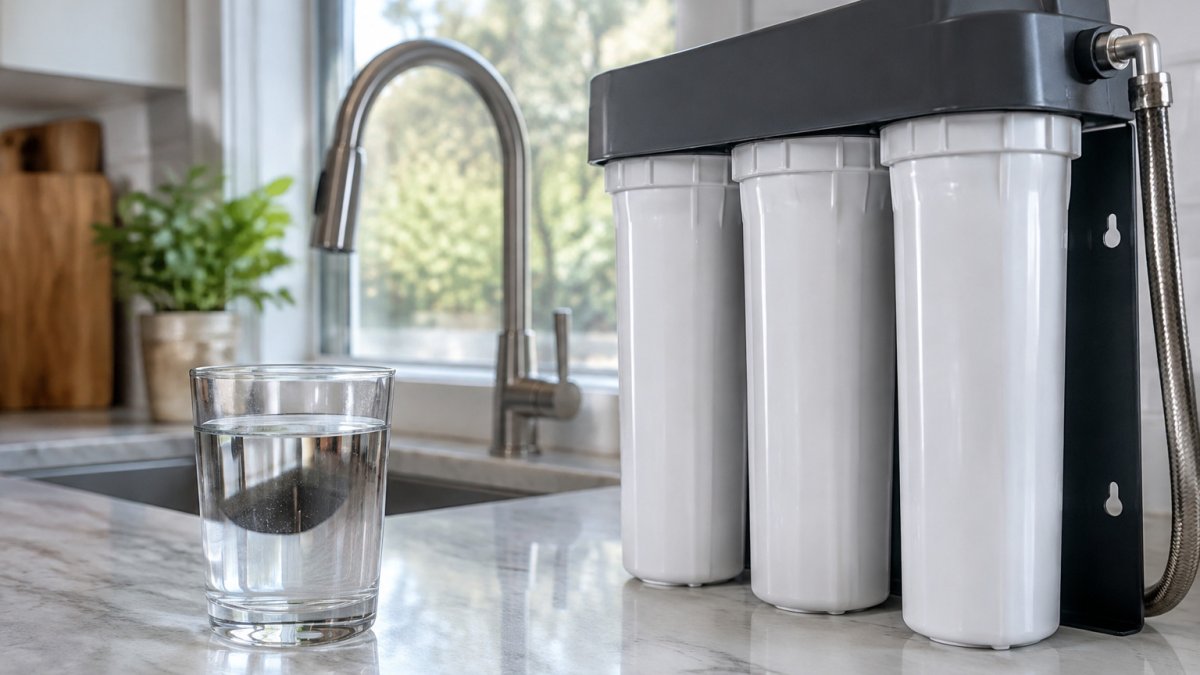
Activated carbon is a common choice for chlorine removal. Carbon filters bind chlorine as water passes through, and many pitchers and under-sink systems use it. A common mistake is assuming any filter handles chloramine; media rated for chloramine is needed. For homeowners who want chlorine and chloramine gone from every tap, including the shower and laundry, a professionally sized whole-home system is the durable answer. You can explore whole-home water filtration solutions designed around your water test results.
A Practical Testing Protocol to Confirm Chlorine Is Gone
Guessing by taste is unreliable, so test instead. The goal is a measurable endpoint, not an elapsed time. A basic chlorine test kit with color-matching strips or drops gives you that endpoint, but the reading only means something if you know which number you are looking at. Free chlorine measures the active disinfectant; total chlorine measures free chlorine plus combined chlorine (chloramine). For a chlorine-treated supply, free chlorine should fall to near zero after treatment. For a chloramine-treated supply, total chlorine is the number to watch, and it will not drop much from standing alone.
Follow this protocol:
Baseline. Fill a clean glass with tap water and test it straight from the faucet. Record both free and total chlorine readings.
Standing test. Fill an open pitcher and let it sit 24 hours at room temperature, away from direct sun.
Retest. Test the standing water and compare both readings to the baseline. A free chlorine drop to near zero tells you the chlorine has off-gassed. If free chlorine stays high after 48 hours, you are likely dealing with chloramine.
Filter test. For filtered water, test after the filter, not before. A filter that is working should show a clear drop in free chlorine; a filter rated for chloramine should also show a drop in total chlorine. If total chlorine stays flat after a chloramine-rated filter, the cartridge may be exhausted or the wrong media.
Record and repeat. Log the numbers with the date, the water temperature, and the container type. A single reading is a snapshot; a log shows whether a method is working over time.
Watch out: color-matching strips are easy to misread in poor light, and strips past their expiration date drift. Read strips in daylight against a white background and replace them before the printed expiration date. For a more precise endpoint, a drop-count test kit or a digital photometer gives a clearer number than a strip.
A few practical notes on interpreting results. A free chlorine reading near zero after 24 hours in an open container is the expected outcome for chlorine-treated water at typical residential residuals. A total chlorine reading that stays elevated while free chlorine drops is the signature of chloramine. If neither reading moves after several days of standing, the disinfectant is not volatile and you need a different method, carbon filtration rated for chloramine or a dechlorinating product for aquarium use. Testing after treatment, not just before, is what separates a verified result from a guess.
Is Standing Water Safe to Drink?
Standing water is generally safe to drink once chlorine has dissipated, but the safety depends on how it was stored. An open container left out can collect dust, and water sitting too long at room temperature can grow bacteria. The CDC's guidance on water storage and treatment recommends using clean, covered containers for stored drinking water. The practical balance: let water sit just long enough to clear chlorine, then cover and refrigerate it. Do not leave an open pitcher on the counter for a week and expect it to stay fresh.
Use-Case Safety: Plants, Aquariums, and Drinking Water
Different uses call for different levels of caution. Here is how to think about each:
Plants: Most houseplants tolerate chlorinated tap water, but chlorine can harm beneficial soil microbes. Letting water sit overnight is a simple, low-cost safeguard.
Aquariums: Chlorine and chloramine are both toxic to fish. Never add untreated tap water to a tank. Use a dechlorinating product or a carbon filter rated for aquarium use.
Drinking water: Free chlorine is safe at treated levels, but many people remove it for taste. Carbon filtration is the practical choice for drinking and cooking.
Watch out: skipping dechlorination for an aquarium can kill fish quickly, and it is the single most common beginner mistake.
Book Your Free Water Test with Bevilacqua Pure
Removing chlorine at the tap is one thing; getting clean, great-tasting water from every faucet in your home is another. If you are tired of the chlorine smell, lingering taste, or scale on your fixtures, the first step is knowing exactly what is in your water. At Bevilacqua Pure, we start with a free in-home water test, explain the results in plain language, and recommend a solution sized to your home, with no pressure and no one-size-fits-all filter. Our whole-home systems reduce chlorine, sediment, and residue, and we also offer reverse osmosis for drinking and cooking water. Get started with Bevilacqua Pure and book your free water test to see what is really coming out of your tap.
Chlorine will leave your water on its own, given time and open air, but that timeline does not fit every household need. Testing tells you what you are dealing with, and the right filtration makes it a non-issue. Reach out to schedule your free test and get clear answers about your water.
Frequently Asked Questions
How quickly does chlorine leave tap water?
In an open container at room temperature, free chlorine can off-gas over time. Cooler water or a narrow-mouthed container slows this down. If your water utility uses chloramine instead of chlorine, letting it sit will not work, because chloramine is far more stable and needs activated carbon filtration or another treatment method to remove it.
Can you let tap water sit to remove chlorine for fish or plants?
Letting water sit works for chlorine but not chloramine, so confirm which disinfectant your utility uses before relying on it. For aquariums, free chlorine is toxic to fish, so test with a chlorine test kit before adding water to a tank. Houseplants generally tolerate low chlorine levels.
Does boiling water remove chlorine?
Boiling removes free chlorine faster than standing water because heat and agitation drive the gas out. However, boiling concentrates chloramine and some minerals rather than removing them, and it will not eliminate chloramine at all. If your water contains chloramine, use an activated carbon filter instead. Boiling also costs energy, so it is best reserved for small drinking-water batches.
How can you tell whether tap water contains chlorine or chloramine?
Check your water utility's annual consumer confidence report, which lists the primary and secondary disinfectants used. You can also test with a free chlorine test kit and a total chlorine test kit: if total chlorine reads higher than free chlorine, the difference is chloramine. A water treatment professional can help confirm what is in your water and which treatment method suits it.
Comments