
Filtered vs Softened Water: Which Is Better to Drink?

Last Updated: November 8, 2026
Quick Summary
Filtered vs softened water is not a choice between equals: a softener removes calcium and magnesium, while a filter removes contaminants like chlorine, sediment, and PFAS. Softened water is generally safe to drink but adds sodium and does not remove contaminants, so many homes pair a softener with a drinking-water filter or reverse osmosis at the kitchen tap.
Softeners remove only hardness minerals; they leave chlorine, lead, PFAS, nitrates, and bacteria behind.
Ion exchange softening swaps calcium and magnesium for sodium, adding sodium in proportion to hardness removed.
Softened water often tastes flat, and a genuinely salty taste usually signals a softener problem.
Test at the tap for hardness, chlorine, iron, pH, nitrate, lead, and PFAS before choosing equipment.
Match filter certification to your contaminant: NSF/ANSI 42 for taste and odor, 53 for health effects, 58 for reverse osmosis.
Filtered or softened? Your water decides.
We test your water, explain the results, and recommend only the treatment your home needs.
Table of Contents
Filtered vs Softened Water: The Core Difference
Filtered vs softened water comes down to one question: are you trying to remove minerals or remove contaminants? A softener targets calcium and magnesium. A filter targets everything else, from chlorine to sediment to PFAS. They solve different problems, and confusing them is the most common mistake we see at Bevilacqua Pure when homeowners call about cloudy ice or crusty faucets.
The distinction matters because the two systems are not interchangeable. A softener will not make hard water safe to drink. A carbon filter will not stop scale from coating your water heater. Understanding which job you need done, and which system does it, saves you from buying the wrong equipment.
Below, we break down what each system removes, how each one works, and how to decide what your household actually needs.
What Water Softeners Remove (and What They Don't)
Water softeners remove hardness minerals, specifically calcium and magnesium. That is their entire job, and the list of what they leave behind is longer than most homeowners expect.
A softener does not remove:
Sediment, sand, or rust particles
Chlorine or chloramine
Lead, arsenic, or other heavy metals
PFAS and other emerging contaminants
Bacteria or viruses
Nitrates
So if your complaint is spotty dishes and stiff laundry, a softener is the right tool. If your complaint is a chemical taste or a notice about contaminants in your municipal water, softening does nothing for you. The EPA's guidance on drinking water contaminants is a useful starting point for understanding what can appear in a public supply.
What Water Filters Remove
Water filters remove contaminants, and the specific list depends entirely on the filter type. This is where homeowners get into trouble: "filtered" is not a single standard. A pitcher filter and a whole-home carbon system are both "filters," and they do very different work.
Common filtration targets include sediment, chlorine, chloramine, taste and odor, dissolved solids, and some metals. Which contaminants a given filter reduces depends on its certification and design.
A filter does not remove hardness minerals, which is why filtered water can still leave scale. If PFAS is your concern, our PFAS water treatment guide walks through carbon, ion exchange, and reverse osmosis in detail, and this article on whether whole house filtration removes PFAS and heavy metals answers the question directly.
How Ion Exchange Softening and Filtration Actually Work
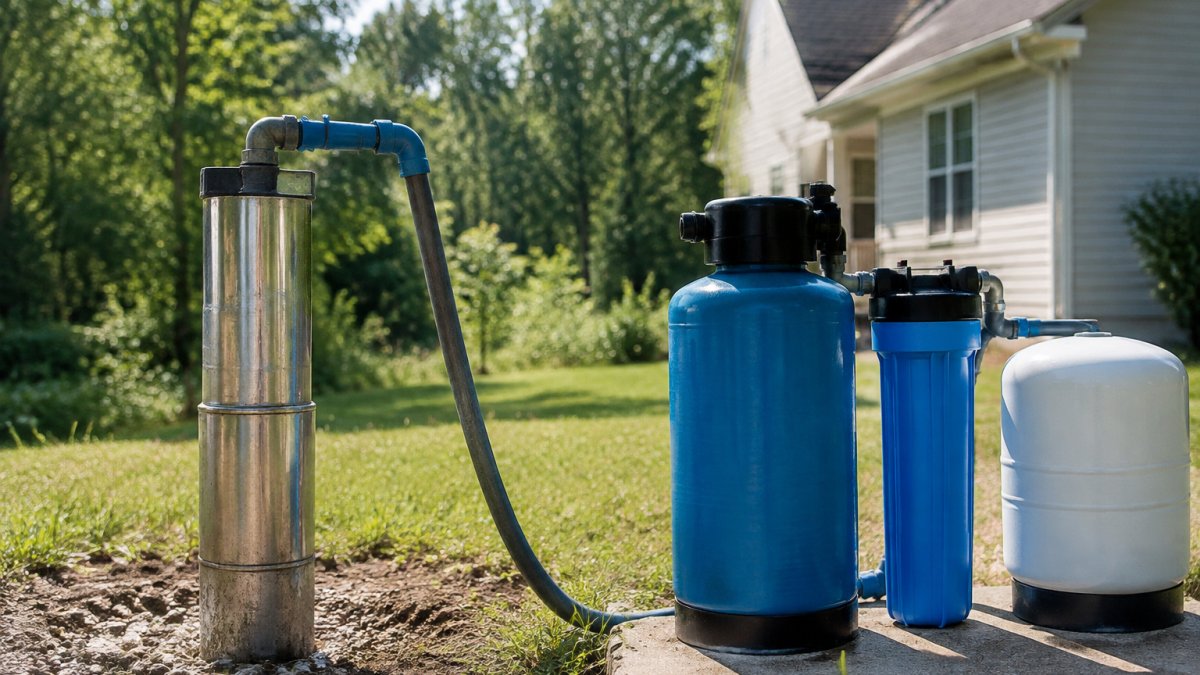
Ion exchange softening passes hard water through a bed of resin beads charged with sodium. Calcium and magnesium bind to the resin, and sodium takes their place in the water. Once the resin is saturated, the system regenerates by flushing a salt brine through the tank and sending the hardness minerals to the drain.
Filtration works differently. Mechanical filters trap particles by size. Carbon filters adsorb chlorine and organic compounds onto a porous surface. Reverse osmosis forces water through a semi-permeable membrane that rejects dissolved solids. Each method has a specific target, and each has limits.
The practical takeaway: softening is a chemical swap, filtration is a physical or adsorptive removal. That is why the two systems are so often paired rather than compared.
Hard Water Minerals, Scale, and What They Do to Your Home
Hard water leaves scale, and scale is expensive. Calcium and magnesium precipitate out of solution when water is heated, forming a crust on heating elements, faucet aerators, shower heads, and the inside of your water heater. Over time, that layer insulates the heating element, so the appliance works harder and uses more energy to do the same job.

Visible signs of hard water include:
White crust on faucets and shower doors
Spots on glasses after dishwashing
Stiff, scratchy laundry
Soap that will not lather
Reduced water pressure from clogged aerators
Scale is a maintenance problem, not a health problem. The minerals themselves are not harmful to drink. The damage shows up in your plumbing and appliances, which is exactly what a softener prevents.
Is Softened Water for Drinking a Good Idea?
Softened water is generally recognized as safe to drink by public health agencies, but "safe" and "ideal" are different questions. The honest answer depends on three things: how hard your source water is, what else is in it, and who is drinking it.
The sodium question, with actual numbers. Ion exchange softening works by swapping one calcium or magnesium ion for two sodium ions. The sodium added is not a fixed amount, it scales directly with the hardness you start with. As a general engineering estimate, softening adds sodium in proportion to the hardness removed. That means:
Those amounts can add up over a day of drinking, which is why sodium-restricted households should pay attention to how much softened water they drink.
Who should think twice. People managing hypertension, kidney disease, or heart failure are often advised to limit sodium, and some clinicians recommend they avoid drinking softened water or use a bypass at the kitchen tap. Most sodium in the American diet comes from food rather than water, but water-borne sodium still matters for someone on a sodium-restricted diet. If you or a household member is on a sodium-restricted diet, the practical move is to keep a separate unsoftened drinking tap (many softener installations include a hard-water bypass to the kitchen cold line) or add a reverse osmosis system, which removes the sodium the softener added. Check with a clinician before making the call, this is a personal-health question, not a plumbing one.
Sodium is not salt taste. A common misconception is that softened water tastes salty. In practice, the sodium concentrations above are far below the threshold where most people detect saltiness. What people actually notice is a flat or "empty" flavor, because the calcium and magnesium that give water its characteristic taste have been removed. If your softened water tastes genuinely salty, that usually points to a softener problem, an over-regenerating unit, a brine tank issue, or resin that needs service, not to normal softening.
What softening does not fix. Even perfectly softened water still contains chlorine or chloramine, and it does not remove lead, PFAS, nitrates, or bacteria. So the drinking-water question is not just "is softened water safe?" but "is softened water the best available water in this house?" For most homes on municipal supply, the answer is that softened water is fine for washing and appliances but a point-of-use filter or reverse osmosis unit at the kitchen tap produces better-tasting, lower-sodium drinking water. The CDC's information on sodium in drinking water is a reasonable starting point for the intake side of the question.
Watch out: assuming a softener makes water "purified." It does not. Softening is a mineral swap, not a contaminant barrier, and treating it as a drinking-water solution can leave you exposed to whatever the softener never targeted.
Side Effects of Drinking Softened Water You Should Know
The side effects of drinking softened water are mostly minor, but they are real and worth knowing before you commit.
Sodium intake: softening adds sodium in exchange for hardness minerals. The amount depends on how hard your source water is.
Taste: some people notice a flat or slightly salty flavor.
Mineral loss: softened water contains less calcium and magnesium than hard water.
Slimy feel: softened water feels slippery on skin because it lathers differently. This is normal, not a defect.
The slimy feeling is the objection we hear most. It is a soap-lathering difference, not a sign the water is dirty. If you dislike it at the tap, a point-of-use filter solves the taste without touching the rest of the house.
Water Filter vs. Water Softener for Shower and Skin
For shower and skin, the answer is usually both, but for different reasons. A water filter vs. water softener for shower comparison comes down to what is bothering you.
If your issue is chlorine smell, dry skin, or dull hair, a carbon filter on the shower line removes chlorine and is the more direct fix. If your issue is soap scum, spotted glass, and scale on the shower head, a softener is what stops the minerals that cause it.
Concern | Best Fix | Why |
Chlorine smell, dry skin | Carbon shower filter | Removes chlorine at the point of use |
Soap scum, spotted glass | Water softener | Removes hardness minerals |
Scale on shower head | Water softener | Prevents mineral precipitation |
Both taste and scale | Softener plus drinking filter | Covers the whole house and the tap |
Many households run a softener for the whole home and a carbon filter on the shower for chlorine. That combination addresses both complaints without overspending on either.
The Water Softener and Filter Combo That Covers Both Problems
The water softener and filter combo is the setup most hard-water homes actually need. Softening handles the minerals that scale your appliances. Filtration handles the chlorine, sediment, and contaminants that softening leaves behind. Together they cover the full list.
A common arrangement looks like this:
A sediment pre-filter catches sand and rust before anything else.
A carbon filter reduces chlorine and protects the softener resin.
The softener removes calcium and magnesium.
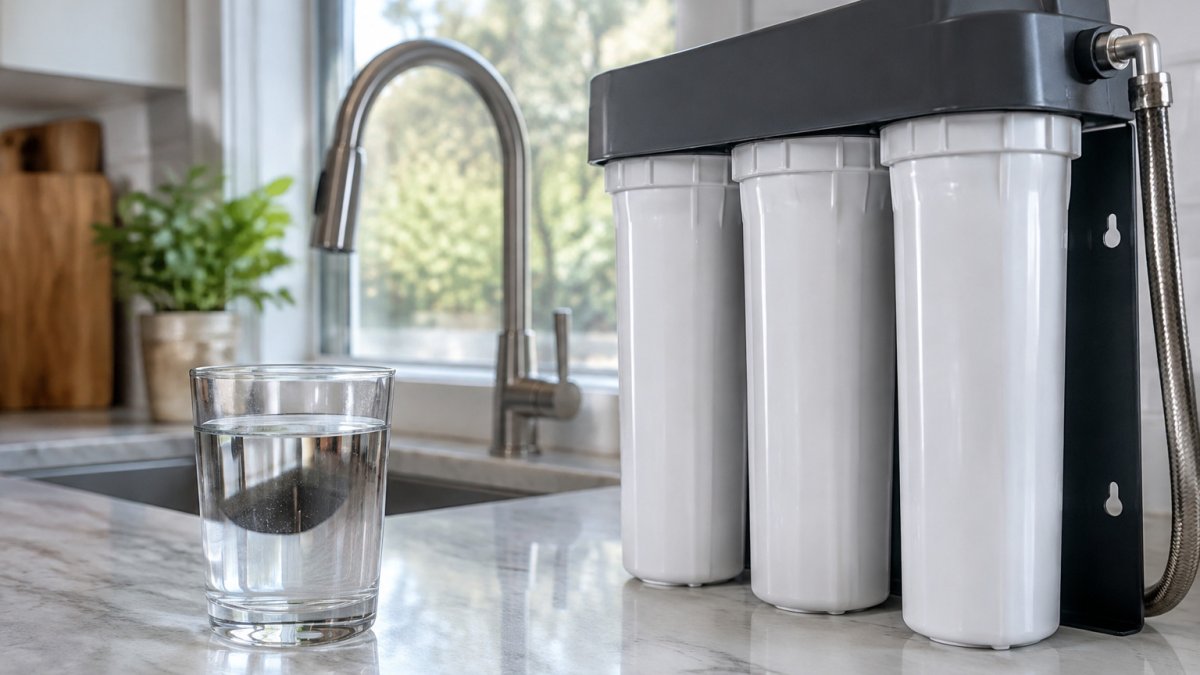
A reverse osmosis system under the kitchen sink polishes drinking water.
A layered approach like this is often used to match treatment to a home's water, which is why testing the water first comes before choosing equipment. If you want the whole-home side of that setup, you can explore whole-home water filtration and see how it fits with a softener.
Test Your Water First, Then Choose Treatment That Fits
Testing is the step many homeowners skip, and it is the one that informs the choice of equipment. You cannot choose between filtered vs softened water until you know what is in your water. Hardness, chlorine, iron, manganese, and PFAS all point to different equipment, and a system bought without a test is a guess.
Start with your utility's consumer confidence report. If you are on a municipal supply, your water provider publishes an annual Consumer Confidence Report (also called a right-to-know report) that lists detected contaminants, their levels, and the regulatory limits they are compared against. This is free, it is required, and it tells you what the utility found at the treatment plant, though not what happens between the plant and your tap. Read it for hardness range, disinfection byproducts, lead, nitrate, and any PFAS detections. If your utility does not post it, call and ask; they are required to provide it.
Then test at the tap. A useful home test covers:
Hardness in grains per gallon (gpg), the number that sizes a softener
Chlorine or chloramine residual, determines whether you need a catalytic carbon media rather than standard carbon
Iron and manganese, can foul a softener and may need pretreatment
pH, affects corrosion and treatment selection
Nitrate, a health-relevant contaminant common in agricultural areas and private wells
Lead, especially in homes with older plumbing or lead service lines
PFAS if your supply is on a known affected list or you are near industrial or fire-training sites
Turn results into a decision. The pattern is more consistent than the marketing suggests:
Hard water (typically above 7 gpg) with scale complaints: a softener is the right tool. If sodium is a concern, add a hard-water bypass to the kitchen cold line or a reverse osmosis unit at the tap.
Hard water plus chlorine taste or odor: softener for the minerals, carbon filtration for the chlorine. This is the most common combination in hard-water homes.
Soft water with a contaminant notice (lead, PFAS, nitrate): skip the softener entirely; you need contaminant-specific filtration or reverse osmosis.
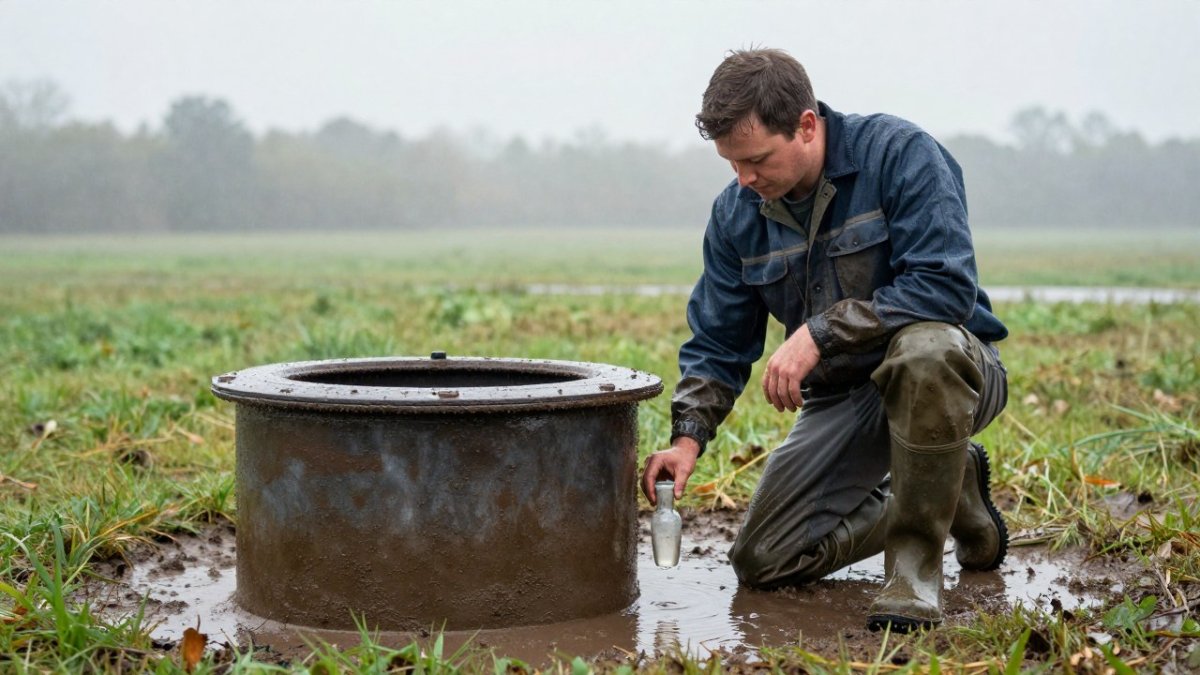
Private well: test annually at minimum, and test more often if the water changes seasonally. Well water carries risks municipal supplies do not, and no utility report exists to fall back on.
"Filtered" is not a standard, certification is. This is a common point of confusion when comparing filters. A filter's ability to remove a specific contaminant should be backed by certification to a recognized standard, typically NSF/ANSI 42 for aesthetic effects (chlorine taste and odor, sediment), NSF/ANSI 53 for health effects (lead, cysts, volatile organic compounds), and NSF/ANSI 58 for reverse osmosis systems. A pitcher filter certified to Standard 42 is not a lead-removal device, and a carbon filter is not a PFAS barrier unless it carries the specific reduction claim. Match the certification to the contaminant you actually have, not to the word "filter" on the box.
Operating trade-offs matter too. Softeners use salt and discharge regeneration brine to the drain. Reverse osmosis systems reject a portion of incoming water as concentrate and need periodic filter replacement. Filter cartridges are consumables that need periodic replacement. None of these are dealbreakers, but they are ongoing costs and maintenance commitments that should factor into the choice alongside the purchase price.
If you are on a private well, testing is not optional. Well water can change seasonally and carries risks that municipal supplies do not. Our guide on preventing mineral buildup and detecting forever chemicals covers what to check and why.
Watch out: buying a softener for what turns out to be a sediment or iron problem. Sediment clogs and iron staining look like hard-water symptoms but are not solved by ion exchange alone, and the wrong system wastes both money and the time spent installing it. The water test tells you what to buy; the utility report tells you what to ask about.
Book Your Free Water Test and Get a Straight Answer
The right answer to filtered vs softened water depends on your water, not a sales pitch. Some homes need softening, some need filtration, and many need both working together.
Bevilacqua Pure offers free in-home water testing, plain-language explanations of your results, and a pressure-free consultation. We install professionally and design systems around your home's conditions, from whole-home filtration to reverse osmosis at the kitchen tap.
Get started with Bevilacqua Pure and find out exactly what is in your water before you spend a dollar on treatment.
Frequently Asked Questions
Is it better to have a water softener or a filter?
They solve different problems, so the better choice depends on your water test. A softener uses ion exchange to swap calcium and magnesium for sodium, which stops scale in pipes and appliances but does not target contaminants. A filter is built to reduce specific contaminants such as chlorine, sediment, metals, or PFAS. If your water is hard and you also want cleaner drinking water, a water softener and filter combo usually makes more sense than picking one.
Can you drink water softened with a salt-based softener?
Softened water is generally considered safe to drink for most healthy adults, but it does contain added sodium. Ion exchange adds sodium in proportion to the hardness removed, so very hard water can add more. If you follow a sodium-restricted diet or have high blood pressure, talk to your doctor and consider a reverse osmosis system at the kitchen tap to reduce sodium in drinking water.
Does a water filter remove the sodium added by a water softener?
Most standard carbon filters do not remove sodium. Reverse osmosis does. An RO system installed at the point of use, typically under the kitchen sink, pushes water through a membrane that reduces dissolved solids including sodium, along with many other contaminants. That is why softened water for drinking is often paired with RO rather than a pitcher or basic carbon filter.
Can you use a water filter and water softener together?
Yes, and many homes do. The softener protects plumbing and appliances from scale while a filter or RO system handles taste, odor, chlorine, and contaminant reduction at the drinking tap. The key is ordering the setup correctly and testing your water first so each piece of equipment is doing a job your water actually needs, not duplicating effort or adding cost you do not need.
Comments