
7 PFAS Exposure Symptoms in Children Parents Should Know

Last Updated: November 12, 2026
Quick Summary
PFAS exposure in children usually does not cause obvious symptoms like fever, rash or fatigue, so these are not reliable signs. Research links PFAS exposure to long-term effects, with the strongest evidence for birth weight, vaccine antibody response and cholesterol. If you are concerned, test your water and talk with your pediatrician.
PFAS have no unique symptom checklist, so ordinary illness signs are not reliable indicators of exposure.
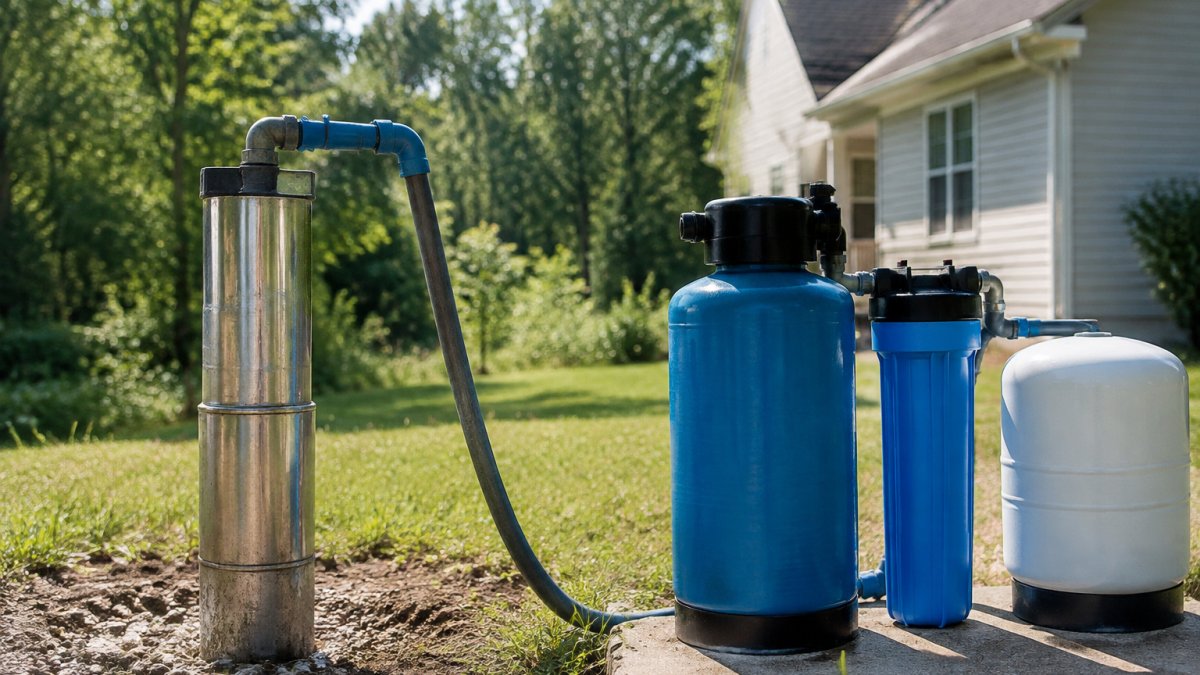
Drinking water is one of the most common routes, especially from private wells or older municipal systems.
Lower antibody response to vaccines is one of the more replicated findings, but it is not a reason to skip vaccines.
A PFAS blood test can confirm exposure but cannot tell you whether a specific health problem was caused by PFAS.
Start by testing your water, then reduce dust and food exposure based on your child's age and habits.
Worried about PFAS in your water?
Bevilacqua Pure offers free in-home testing and a plain-language explanation of your results.
Table of Contents
What PFAS Are and Why Children Face Different Exposure Risks
PFAS (per- and polyfluoroalkyl substances) are a large group of man-made chemicals used since the 1940s in nonstick cookware, stain-resistant fabrics, food packaging and firefighting foam. They are called forever chemicals because they break down very slowly in the body and the environment. Children face different exposure risks than adults because they drink more water for their body weight, crawl on carpets and floors where dust collects, and put their hands in their mouths often. Before a baby is even born, PFAS can cross the placenta, which makes early-life exposure a particular concern for parents.
Water is one of the most common routes.
Exposure comes from several sources at once:
Drinking water, especially from private wells or older municipal systems
Food, particularly fish and foods packaged in some grease-resistant paper
Household dust, which settles on floors and carpets
Stain-resistant carpets, upholstery and treated clothing
Some nonstick cookware and personal care products
Because exposure adds up over time, reducing the sources you control is a practical place to start.
PFAS Symptoms in Humans: Why Exposure and Symptoms Are Not the Same
Being exposed to PFAS does not mean a child will show symptoms. PFAS have no unique symptom checklist, so a fever, rash or tiredness is not a reliable sign of PFAS exposure on its own. Most of the research links PFAS to long-term effects that appear slowly, not to the sudden symptoms parents usually notice.
This matters because many parents search for a list of symptoms and then worry about every ordinary illness. A better question is whether your child has been exposed and whether your local water has tested positive. Those answers guide the next steps far better than a symptom list.
Here is a simple way to think about it:
Exposure means PFAS entered the body, which is common and often measurable.
Effects are changes in health that research associates with PFAS, usually developing over years.
Symptoms are short-term signs you can see, which PFAS do not reliably cause.
Health Effects Linked to PFAS in Children
Research on PFAS and child health is broad but uneven. The most useful way for a parent to read it is by evidence strength: some outcomes are consistently observed across many studies, some are suggestive but mixed, and some rest on limited or early findings. None of these are immediate symptoms you can watch for at home, they are long-term associations measured in populations, not a diagnostic checklist for one child.
Stronger and more consistent findings
Birth weight and early growth. Multiple studies of prenatal exposure have reported associations between higher maternal PFAS levels and slightly lower birth weight, and some follow-ups suggest small differences in growth in early childhood. The effect sizes in most studies are small at the individual level, which is why researchers describe them as population-level shifts rather than predictions about any one baby.
Immune response to vaccines. A body of research has examined antibody levels after routine childhood vaccinations, and several studies, including work tied to communities with contaminated drinking water, found lower antibody concentrations in children with higher PFAS exposure. This is one of the more replicated findings, though the size of the effect and its clinical meaning are still debated. It is a reason to reduce exposure, not a reason to delay or skip recommended vaccines.
Cholesterol. Higher PFAS levels have been associated with higher total and LDL cholesterol in children and adolescents in multiple studies. As with adults, the direction of the association is fairly consistent even though the magnitude is modest.
Suggestive but mixed findings
Neurodevelopment. Studies have looked at attention, learning, motor skills, and language development, and results vary by cohort, by which PFAS compounds were measured, and by timing of exposure. Some studies report associations with attention or behavioral measures; others find none. Treat this as an area of active concern rather than a settled cause-and-effect link.
Thyroid and hormonal effects. Research has examined thyroid hormones and, in some studies, sex hormones and timing of puberty. Findings are inconsistent across studies and populations, and thyroid measures in particular are sensitive to timing and to normal childhood variation.
Metabolic markers. Beyond cholesterol, some studies have looked at insulin resistance and body composition, but the evidence is less consistent than for lipids.
Limited or early evidence
Kidney and liver markers. Some studies report associations with certain kidney and liver biomarkers, but the pediatric evidence is thinner than in adults.
Allergic and atopic conditions. A few studies have reported associations with asthma or allergy-related outcomes, but results are not consistent enough to treat as established.
What this means for a parent
The honest summary is that PFAS exposure in childhood is linked in research to several long-term health concerns, with the strongest and most replicated signals around birth weight, vaccine antibody response, and cholesterol. What the research does not support is a list of symptoms, a rash, a fever, fatigue, or a behavior change is not a reliable sign of PFAS exposure. If your child has a developmental, growth, or immune concern, the productive step is a pediatric evaluation, not an attempt to attribute the concern to PFAS. A clinician can assess your child directly and, if warranted, discuss whether exposure history or testing is relevant.
Agency for Toxic Substances and Disease Registry PFAS health effects overview
The research points to a few long-term outcomes, with the strongest evidence summarised below.
Outcome area | Evidence strength | What the research shows |
Birth weight and early growth | Stronger, consistent | Small population-level differences linked to prenatal exposure |
Vaccine antibody response | Stronger, replicated | Lower antibody levels with higher exposure; reduce exposure, don't skip vaccines |
Cholesterol | Stronger, consistent | Higher total and LDL cholesterol with higher PFAS levels |
Neurodevelopment | Suggestive, mixed | Results vary by cohort, compound and timing |
Thyroid and hormones | Suggestive, mixed | Inconsistent findings across studies |
Kidney and liver markers | Limited evidence | Thinner pediatric evidence than in adults |
Allergic conditions | Limited evidence | Not consistent enough to treat as established |
Age-Specific Guidance for Infants, Toddlers and School-Age Children
Children's exposure and daily habits change with age, so reduction steps should change too.

Infants (0 to 12 months)
Mix formula with water you know is tested and safe.
Avoid using unfiltered tap water from a contaminated source for formula.
Keep floors and play areas clean to limit dust exposure.
Toddlers (1 to 3 years)
Expect more hand-to-mouth contact, so wipe down floors and toys often.
Vacuum carpets with a HEPA filter where possible.
Offer filtered water for drinking throughout the day.
School-age children (4 and older)
Encourage handwashing before meals and after time outdoors.
Limit consumption of fish from waters with known advisories.
Check the water supply at school if you have concerns about it.
PFAS Blood Test: What Testing Can and Cannot Tell You
A PFAS blood test measures how much of certain PFAS compounds is in the blood at the time of the test. It can confirm exposure, but it cannot tell you whether a specific health problem was caused by PFAS. Blood levels also fall over time once exposure stops, though the chemicals stay in the body for a long while.
Doctors do not routinely order PFAS blood tests for children, and results are not yet tied to clear treatment guidance. If you are considering a test, talk with your pediatrician first. They can explain what a result would mean for your child and whether testing is worth the cost.
How to Avoid PFAS Exposure at Home
Most families cannot eliminate PFAS exposure, and no single step does it all. What helps is ranking the steps by likely impact for your household, so effort and money go where they matter most. The order below reflects where exposure tends to be largest and most controllable.
1. Drinking water, usually the highest-impact step
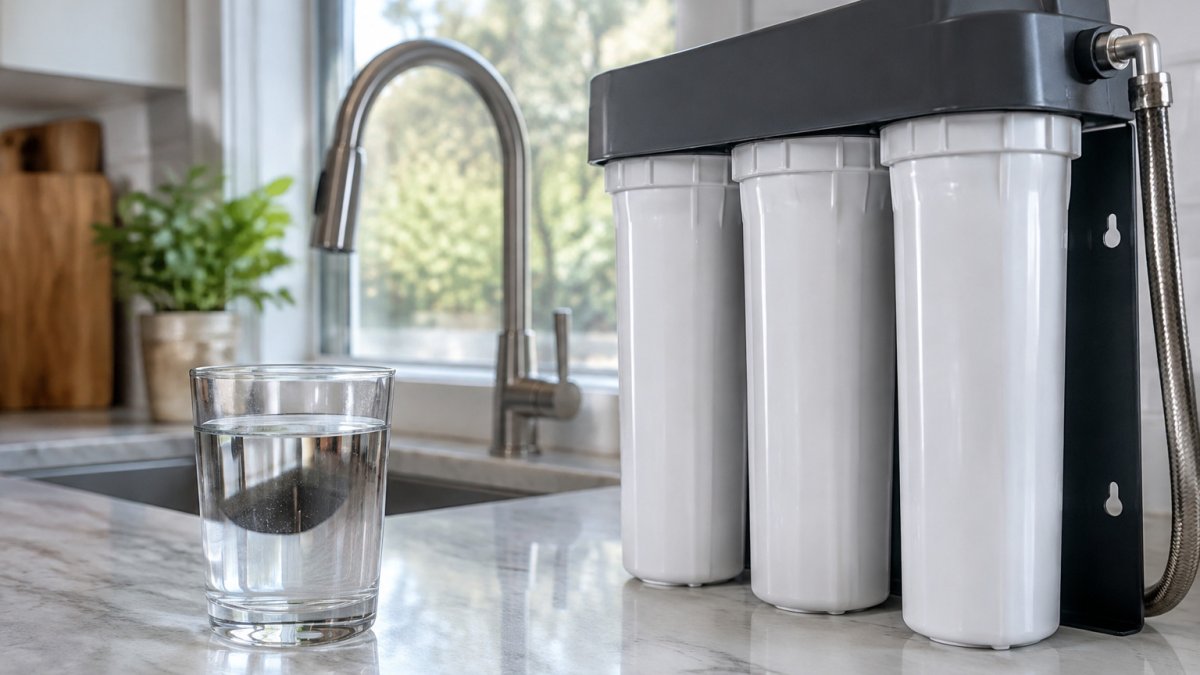
If your water tests positive, treatment at the tap is typically the most effective single action because it addresses a source used every day. Use a filter certified to reduce PFAS under a recognized standard, and confirm the certification covers the compounds found in your results (the EPA). Point-of-use filters at the kitchen tap treat drinking and cooking water; whole-home systems treat every tap. Replace filter cartridges on schedule, a spent cartridge stops performing.
Watch out: Not every pitcher or under-sink filter removes PFAS. Some carbon filters and many basic systems are not certified for PFAS reduction, so check the certification before relying on one.
2. Food, targeted changes, not a wholesale overhaul
Follow state and local fish consumption advisories for waters near you; this is the most specific food guidance available for most families.
Reduce reliance on grease-resistant food packaging, such as some microwave popcorn bags, fast-food wrappers, and takeout containers, especially for hot or greasy foods.
Choose cookware without nonstick coatings where practical, and avoid overheating nonstick pans if you keep using them.
3. Household dust, low cost, meaningful for young children
Dust is a bigger route for crawling infants and toddlers than for older children. Vacuum carpets and rugs with a HEPA-filter vacuum, damp-dust hard surfaces rather than dry-dusting, and wash hands before meals. These steps are inexpensive and compound over time.
4. Consumer products, focus on what touches food and skin
Skip optional stain-resistant treatments on new furniture, carpets, and clothing.
Be cautious with products marketed as "PFAS-free" without third-party certification; the claim is not uniformly verified.
Prioritize items that contact food or a child's skin and mouth over low-contact items.
5. What not to spend money on
Whole-home systems, repeated testing, and specialty products can add up quickly. Before buying, get your water tested, confirm what a filter is certified to remove, and avoid unverified "detox" products or supplements marketed for PFAS. No product removes PFAS already in the body, and no supplement is approved to treat PFAS exposure.
A realistic sequence for most households
Test the water first, treat it if results warrant, then layer in dust and food steps that fit your child's age and daily habits. Document what you find, test results, dates, and any advisories, because that record is useful if you later speak with a pediatric clinician or your local health department.
EPA drinking water PFAS information and certified filter guidance
PFAS in Drinking Water: Checking Your Supply and Your Options
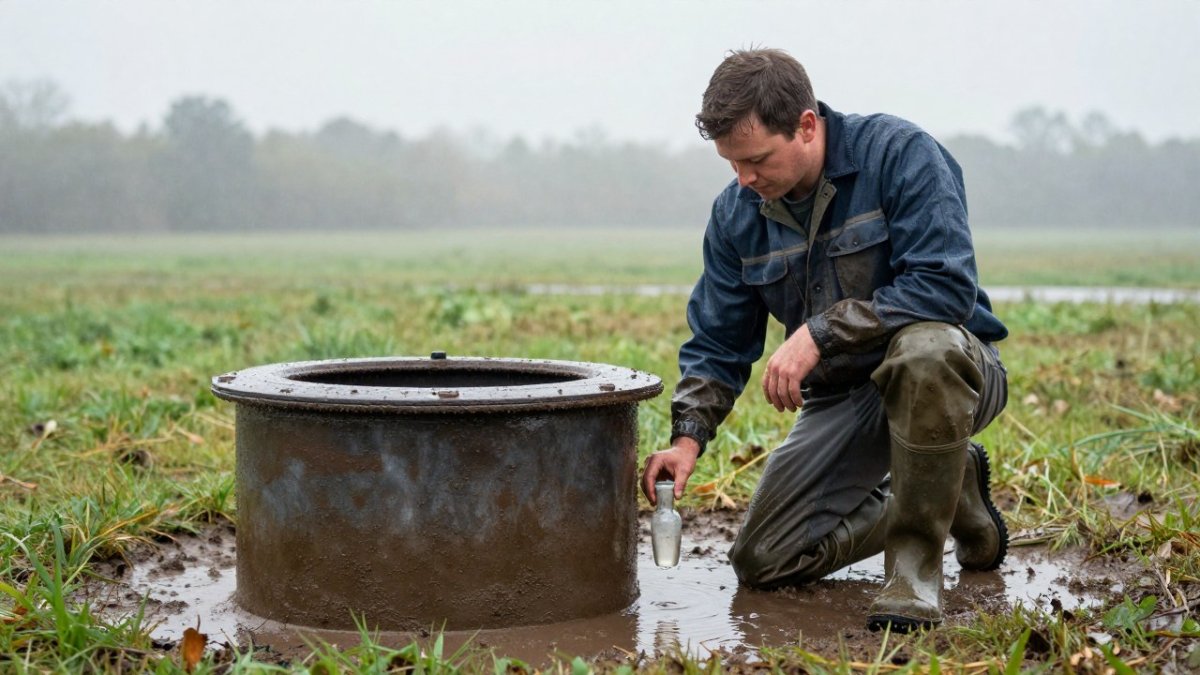
Drinking water is often the most controllable source of PFAS in a home. Start by finding out whether your supply has been tested. If you are on a public water system, your utility publishes an annual water quality report. If you have a private well, testing is your responsibility, and a certified lab can run a PFAS analysis.
Once you know your results, you have options. Whole-home filtration can address water at every tap, while point-of-use filters treat only the kitchen or drinking tap. The right choice depends on what your test shows, how your home is plumbed, and what else is in your water.
Bevilacqua Pure offers whole-home water filtration for cleaner water at every tap for homes across Worcester County and MetroWest. We start with your water results and household needs, then recommend a system that fits your home. We also cover the details of PFAS treatment methods for readers who want to compare options. If you are asking whether a whole-house system will handle these chemicals, our article on whole-house filtration and PFAS answers that directly.
For families who want a step-by-step plan, our guide on removing forever chemicals from tap water walks through each stage. We also explain how to prevent mineral buildup while detecting forever chemicals, which helps when you are testing your water supply.
Your Next Step: Book a Free Water Test
Knowing whether PFAS are in your water is the most useful first step a family can take. Bevilacqua Pure offers a free in-home water test, a plain-language explanation of the results, and a pressure-free consultation. Pricing depends on your home, your water and the equipment you need, so please visit our website for current prices or a quote. Book your free water test today.
Frequently Asked Questions
Can PFAS exposure cause symptoms in children?
PFAS exposure does not produce a unique symptom checklist. Most people exposed to PFAS have no symptoms that can be traced to those chemicals, and the health concerns that researchers study, such as effects on growth, development, immune response and cholesterol, are usually measured through clinical testing and population studies rather than noticed at home. Parents who are worried should focus on documented exposure sources, such as a known contaminated water supply, and talk with their child's pediatrician about whether testing or follow-up is appropriate. Persistent concerns about growth, learning or infections are worth raising with a doctor regardless of PFAS.
Should I have my child tested for PFAS?
Routine PFAS blood testing is not recommended for healthy children without a known exposure, and most standard clinical labs do not offer it. Testing can make sense if your home water is known to contain PFAS, if your child lives near a contamination site, or if a pediatrician recommends it. Ask your doctor where testing is available and what the results would change. A result showing PFAS in the blood tells you exposure occurred, but it does not by itself predict health outcomes or indicate what treatment would be needed.
How can parents reduce children's exposure to PFAS?
Start with the sources you can control most easily. Test your home water and, if PFAS are detected, install a filtration system certified for PFAS reduction, such as reverse osmosis for drinking and cooking water. Wash children's hands before meals, damp-dust and vacuum with a HEPA filter to reduce household dust, and choose stain-resistant products and nonstick cookware carefully. Limiting high-fat packaged foods that may contain PFAS grease-proofing agents can also help. Reducing exposure is most useful when it targets the largest sources first.
How long do PFAS stay in a child's body?
PFAS are called forever chemicals because they break down very slowly, and they can remain in the body for years. The half-life of many PFAS in humans is measured in years, which means levels fall gradually once exposure stops rather than clearing quickly. Some PFAS are cleared faster than others, and children's bodies may eliminate them at different rates than adults. Because clearance is slow, reducing ongoing exposure matters more than trying to flush PFAS out of the body.
Comments